

Most travelers buy a standard policy and assume they are covered on the mountain, only to discover too late that skiing voids the fine print. Securing proper China ski travel insurance before you fly is one of the most important steps in planning a winter trip here. China’s resorts are world class, but remote slopes, high altitude, and language barriers can turn a small accident into a costly one. This guide explains what coverage you actually need, where standard policies fail, and how to buy protection that works when you are far from home.
Why Standard Travel Insurance May Not Cover Skiing
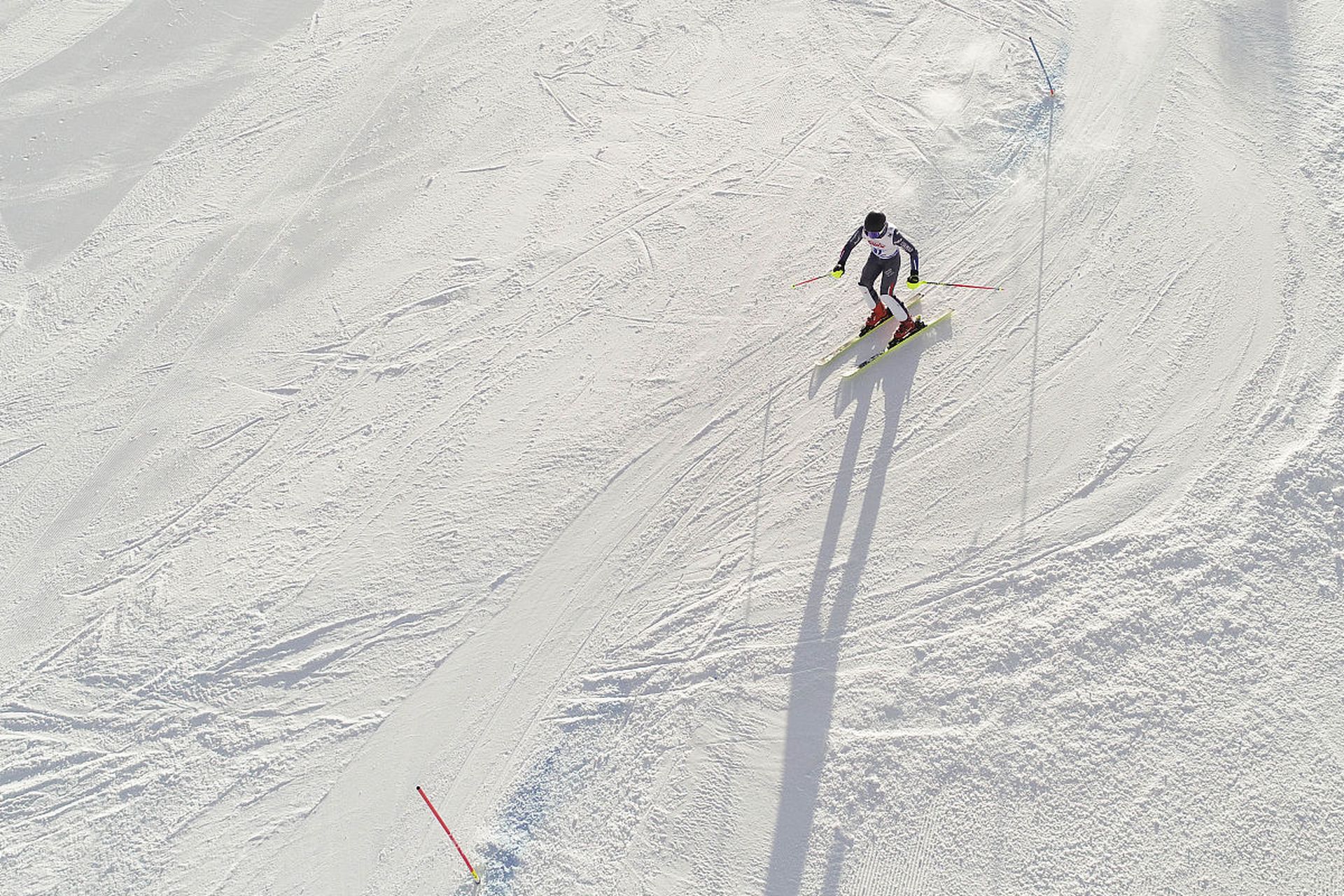
Many basic travel policies exclude “hazardous sports” or cap coverage for winter activities. Skiing, snowboarding, and off-piste travel often fall into this excluded category unless you add a winter-sports rider. Even policies that mention skiing may limit altitude, ban off-piste, or exclude competitive training. Reading the exclusions is not optional; it is the difference between a paid claim and a disputed one. A dedicated Xinjiang Skiing Guide trip should always be paired with matched insurance, since the region’s altitude and distance from major hospitals raise the stakes. Snowboarding and telemark skiing are treated differently by some underwriters, so name the exact activity you will do rather than assuming one winter label covers all of them.
Key Coverage to Look For
At minimum, your policy should include emergency medical treatment, hospitalization, and repatriation. Beyond that, look for winter-sports specifics:
- On-slope rescue and ambulance transport
- Coverage for both alpine skiing and snowboarding
- Off-piste permission if you plan backcountry tours
- 24-hour multilingual assistance hotline
Do not assume your domestic health card works abroad; most do not. A standalone travel policy with a China-capable assistance network is the safe choice. Pay attention to the excess, the amount you pay per claim, since a low premium often hides a high excess that erodes the payout. Also check the single-trip versus annual structure: a frequent skier visiting China more than once may save with an annual winter-sports plan that covers multiple trips. Read the definition of a “family” or “group” policy carefully, because some require everyone to travel together for the whole trip to stay covered.
Medical Evacuation and Altitude Considerations
Xinjiang’s best resorts sit at serious elevation, where altitude sickness can complicate injuries. If you need hospital care, evacuation from a mountain county to a major city can be expensive and slow without insurance. Confirm your policy covers helicopter or road ambulance transfer and that the assistance company has contacts in northwest China. The star-rating standards of Chinese ski resorts give a sense of which facilities have on-site clinics, but even five-star bases rely on external hospitals for serious trauma. Acclimatize for a day or two before intense skiing, stay hydrated, and tell your insurer about any pre-existing cardiac or respiratory conditions, since undisclosed issues are the most common reason claims are rejected at altitude.
Covering Equipment and Gear
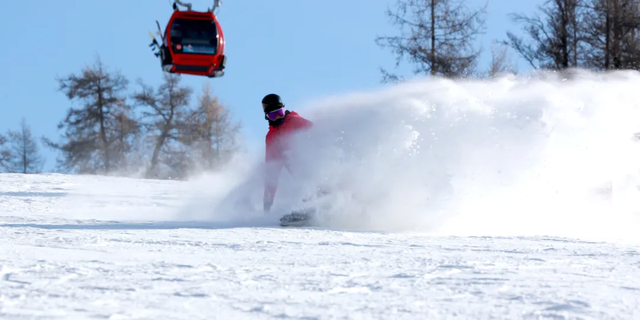
Skis, boards, boots, and goggles are expensive to replace. A good policy covers loss, theft, and damage to your own gear, and some extend to rented equipment. If you prefer not to fly with kit, research ski equipment rental in Xinjiang and confirm whether the rental shop’s insurance or yours applies if gear is damaged. Keep receipts and photographs of valuable items; claims move faster with proof of ownership and value. Label your bag clearly and use a hard case, because transit damage is common and insurers expect reasonable care before they pay for a cracked ski.
Trip Cancellation and Delays
Winter weather closes roads and airports. Trip-cancellation and delay cover reimburses non-refundable flights, hotels, and lift passes when storms or illness interrupt your plans. This is especially relevant in Xinjiang, where a snow squall can strand a valley for a day. Pair this with flexible bookings where possible, and review China ski season passes refund rules before committing to a multi-day product you might not use. Keep screenshots of weather alerts and carrier cancellations, because insurers ask for evidence that the disruption was outside your control rather than a change of mind.
Where to Buy Before You Fly
You can purchase specialist winter-sports travel insurance from international providers online, often in your home currency with English claims support. Buy it before departure, not after you arrive, since cover usually starts on the policy date. Compare at least two providers and check that China is not excluded under regional terms. Some credit cards include baseline travel insurance, but rarely enough for skiing, so treat that as a supplement rather than your main protection. Read independent reviews of the claims process, not just the marketing, because a cheap policy with a hostile claims desk costs more in the end. If your home country has a government travel advice page, cross-check the insurer’s emergency contacts against it so you know who to call first. Save the policy number and the assistance line to your phone home screen before you land, because searching for it during an emergency is the last thing you want to do.
Reading the Fine Print
Before you pay, confirm the altitude ceiling, off-piste rules, claim excess, and emergency-number language. Note whether alcohol-related incidents are excluded, as après-ski evenings can blur that line. If you plan varied Xinjiang après-ski activities plus multiple resorts, choose a policy that covers the full range of your itinerary rather than a single mountain.
Making a Claim From the Slopes
If something goes wrong, call the assistance line before paying out of pocket whenever possible, because many insurers negotiate directly with hospitals and only reimburse later claims with proof. Keep every document: medical reports, police reports for theft, receipts, and photos of damaged gear. Translate key pages if you can, and ask the clinic for an English or itemized statement, since vague invoices slow approval. File within the policy window, usually thirty to sixty days, and photograph the claim forms so you have a backup if mail or email fails while you travel. Most disputes arise from missing paperwork rather than denied coverage, so a small folder of scanned documents on your phone prevents most headaches before they start.
Frequently Asked Questions
Does my normal travel insurance cover skiing in China?
Usually not by default. Most standard policies exclude winter sports unless you add a rider. Check the hazardous-activity exclusions before you ski.
Is off-piste skiing covered?
Only if your policy explicitly allows it. Many plans cover marked pistes but void claims for backcountry or ungroomed terrain without a guide endorsement.
Will insurance pay for evacuation from a remote resort?
A quality policy includes mountain rescue and transport to a suitable hospital. Confirm the assistance network operates in northwest China before you buy.
Should I insure rented equipment?
If you rent locally, ask whether the shop’s cover is enough. Your travel policy may also protect rented gear, but verify the limit matches the replacement cost.
When should I buy the policy?
Before you leave home. Cover generally starts on the start date, and buying after arrival can leave gaps or void claims for known events.
Are pre-existing conditions a problem?
They can be. Declare relevant medical history and ask the insurer about altitude-related exclusions, since Xinjiang resorts sit at high elevation.