

China’s ski resorts are spread across a huge geography – from the Northeast’s Heilongjiang and Jilin provinces to the mountains of Xinjiang in the far west, and cluster resorts near Beijing. Reaching the snow is easier than many first-time visitors expect, thanks to an extensive high-speed rail network and well-developed hub airports. This guide walks through the practical options for international skiers planning a China skiing trip from arrival to the lift line, so you can spend less time worrying about logistics and more time on the snow.
Flying into China’s Ski Gateways
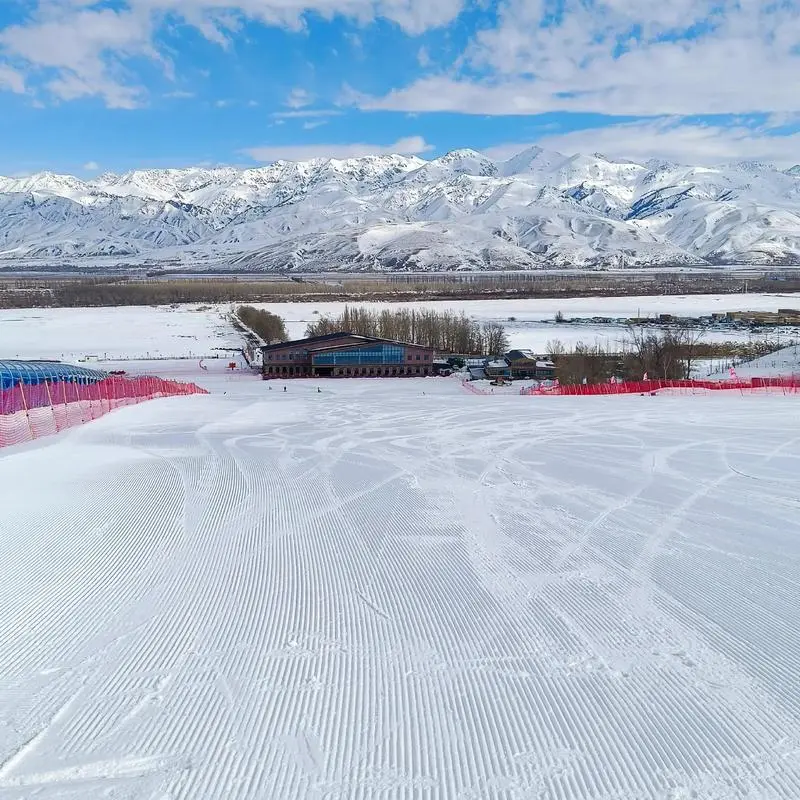
Most international visitors enter through Beijing, Shanghai, or Guangzhou, then connect onward. For Northeast skiing, Harbin and Changchun have direct regional airports with winter flight surges. For western resorts, Urumqi is the primary gateway to the Xinjiang slopes. Book the international leg early in peak season, then reserve the domestic connection separately so you can match resort transfer times without paying a premium for a bundled ticket.
Consider arriving a day before your first ski day. Winter weather can delay domestic flights, and a buffer night in a hub city prevents a missed first morning on the mountain. It also gives you time to collect rented equipment or buy any missing layers before heading into the cold. If you are watching costs, our China ski budget guide breaks down how airfare compares with rail and ground transport across different regions, helping you choose the cheapest combination for your route without sacrificing too much comfort.
Trains: High-Speed Rail to the Slopes
China’s high-speed rail is the most comfortable way to cover long distances between cities. Trains link Beijing with ski regions in Hebei and beyond in a few hours, and connect major hubs to provincial capitals near the resorts. Seats are clean, punctual, and far less stressful than driving unfamiliar winter roads, and station signage is increasingly bilingual at major hubs.
First-timers should read the China ski beginners guide alongside this transport plan, since combining rail timing with lesson bookings saves a lot of confusion on arrival day. A common mistake is booking a morning train and an afternoon lesson in the same town without accounting for the shuttle ride from station to slope.
Airport Transfers and Resort Shuttles
Most established resorts run scheduled shuttles from the nearest airport or train station, especially during peak winter weekends. These are the simplest option: a fixed fare, a known schedule, and a driver who knows the snowy access roads. Book the shuttle when you reserve lodging, and share your arrival time so they hold the vehicle even if your flight slips.
- Confirm whether the shuttle runs on your exact flight day – some only operate Friday through Sunday, or only during school holidays.
- Allow a buffer of two to three hours between landing and the shuttle departure in case of delays, baggage waits, or passport queues.
- For remote resorts, private transfer is often cheaper per person when split among a small group, and far more flexible on timing.
Renting a Car vs. Private Driver
Self-drive is possible but not always worth it for visitors. Winter mountain roads can be icy, signage is in Chinese, and parking at resorts fills early. A private driver or pre-booked transfer removes those stresses and usually costs little more for a group. If you do rent, choose a vehicle with winter tires and confirm your insurance covers mountain driving, since standard policies may exclude snow conditions.
Regional Breakdown: Where Each Hub Takes You
Choosing a gateway depends on which resorts top your list. The overview at best ski resorts in China groups destinations by region so you can pick one hub and minimize transfers. Beijing-based clusters suit short trips with easy rail access, while Xinjiang rewards travellers who want deep, dry powder and are comfortable with a longer flight and a more remote setting.
- Beijing & Hebei – Best for first China ski trip; rail plus short shuttle, with the capital’s amenities close by.
- Northeast (Heilongjiang, Jilin) – Fly to Harbin or Changchun, then regional transfer into renowned cold-smoke powder country.
- Xinjiang – Fly to Urumqi, then resort shuttle or private car into the mountains for vast, quiet slopes and cultural depth.
For a taste of the capital-region options, the China ski Beijing day trips guide shows how to ski and still keep a city base, ideal for travellers mixing sightseeing with a few runs.
Booking Apps and Tickets for Foreigners
Trains and some shuttles are bookable through apps, though the main rail app can be tricky for foreign cards. Our China ski apps and booking platforms resource lists which tools accept international payment and how to read Chinese station names. When in doubt, book through your hotel or a local agent – the small fee buys peace of mind and a human to call if something goes wrong.
Money, SIM Cards, and Staying Connected
Before you leave the hub city, sort out mobile data and a payment method, since both make ground transport dramatically easier. An eSIM or local SIM keeps maps and translation working on the shuttle, and a linked payment app lets you grab a ride or a hot meal without hunting for cash in a small mountain town where English is rare. Download offline maps of your resort and transfer route in advance, because signal can drop in the valleys between the station and the slopes.
It is also worth carrying a small amount of Chinese yuan in notes for the occasional cash-only shuttle or roadside stall. While major hubs are nearly cardless and app-driven, remote mountain stops lag behind, and a handful of small bills prevents a stranded evening when a scanner will not connect.
Frequently Asked Questions
Do I need a visa to ski in China?
Many visitors qualify for visa-free transit or regional entry programs, but rules change. Check current requirements for your nationality before booking flights, and allow processing time if a visa is needed.
Is high-speed rail better than flying domestically?
For city-to-city hops under a few hundred kilometres, rail is usually faster door-to-door and far more comfortable. For crossing to distant regions like Xinjiang, flying saves significant time and avoids a very long train ride.
How do I get from the airport to a remote resort?
Pre-book a resort shuttle or private transfer. Remote resorts rarely have ride-hailing coverage, and winter roads are not ideal for unfamiliar drivers, so a known driver is the safer choice.
Can I use international cards on Chinese booking apps?
Some platforms now accept foreign cards, but acceptance is inconsistent. Have a Chinese payment method or a local agent as backup for train and shuttle tickets, especially in smaller towns.
Should I rent a car to ski in China?
Generally no for visitors. Transfers and shuttles are simpler, safer in snow, and remove the language and parking headaches of self-driving on unfamiliar mountain routes.
How early should I book winter transport?
Book flights and resort shuttles at least a few weeks ahead for peak season weekends and holidays, when both fill quickly across all regions and prices rise with demand.