Tsagaan Sar on Skis: Celebrating the Mongolian White Month at a Xinjiang Resort
The Mongolian New Year, Tsagaan Sar, lands in late winter and turns a Xinjiang ski trip into a feast. A look at the festival, the food, and how to join respectfully.

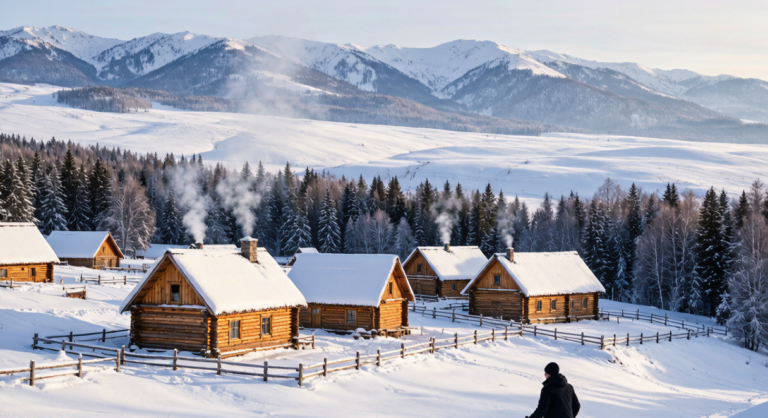
The Mongolian New Year, Tsagaan Sar, lands in late winter and turns a Xinjiang ski trip into a feast. A look at the festival, the food, and how to join respectfully.
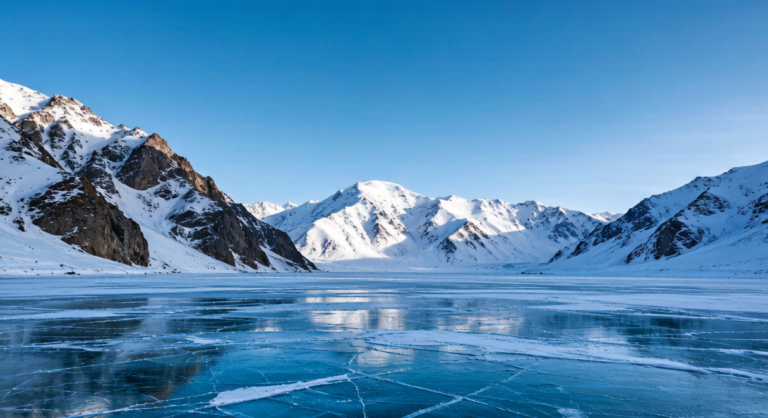
A motorcycle to the slopes sounds reckless until you live somewhere the winter roads are cleared and the distances are short. A cautionary, practical take on two-wheel ski access.
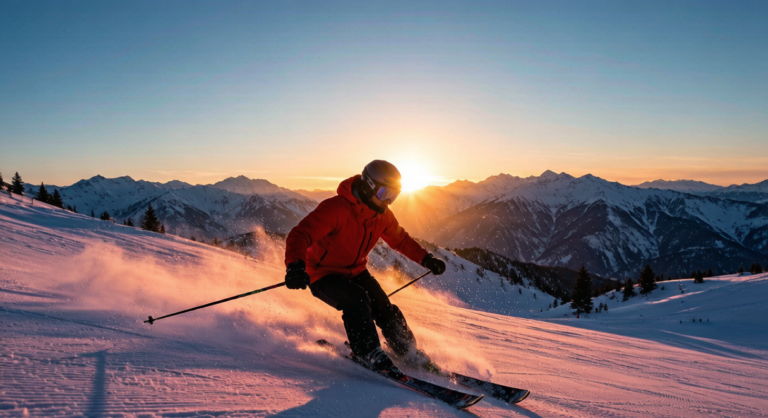
Trains get the attention, but the intercity bus is often the only direct link to a smaller Xinjiang ski town. A practical guide to riding it with gear.
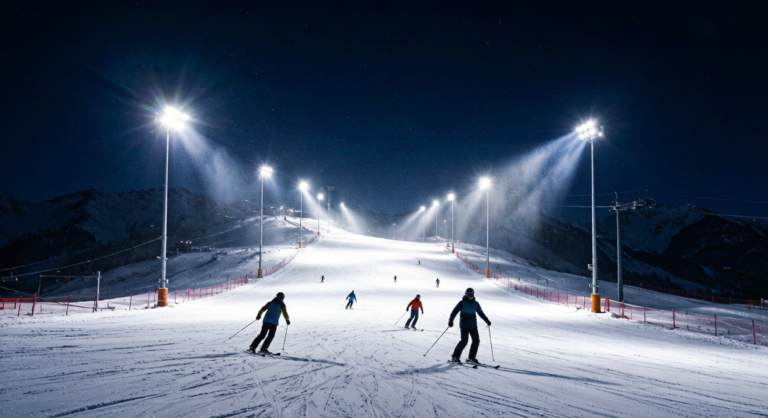
Xinjiang polo (plov) is the post-ski meal of choice for a reason. Carrot, rice, lamb and a fried egg on top. Here is where to eat it and why it works after a long day on the snow.
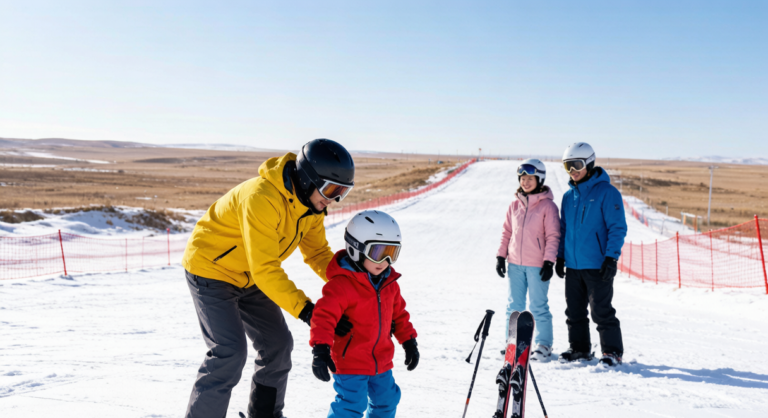
The best meal of many ski days was not at the resort. It was a sesame samsa from a roadside oven and a kebab off a street cart. A practical eat-like-a-local field guide.
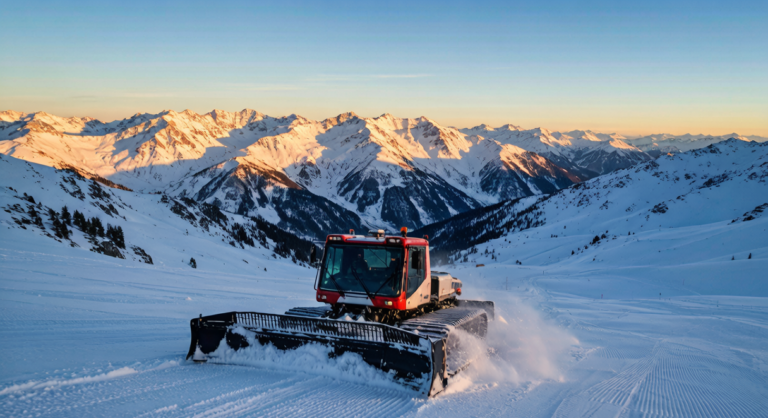
Forget the energy drink. The herdsmen’s salty milk tea, suutei tsai, is what actually warmed me between runs. A look at the drink, where to find it, and why it works in the cold.
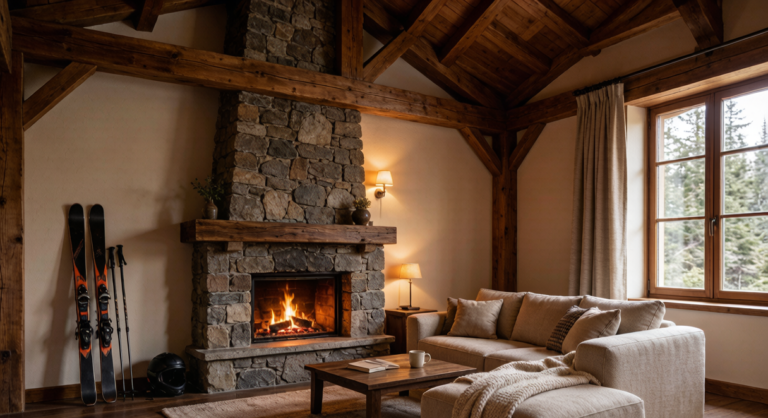
Some of the most beautiful and most treacherous mornings on a Xinjiang ski trip come from rime and ice fog. A look at what causes them, where to see them, and how to ski them.
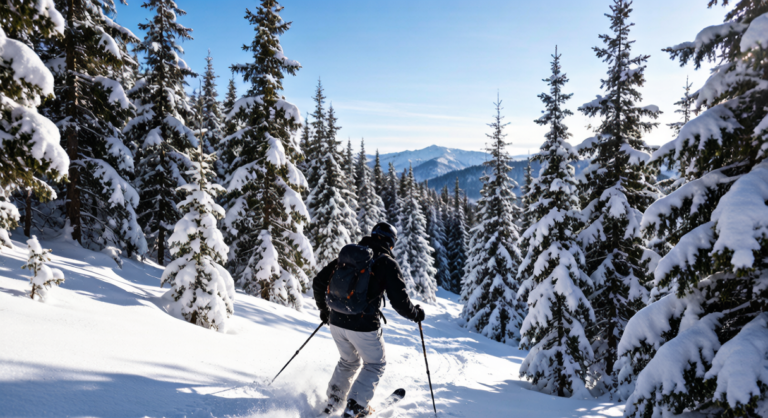
Flat light turns a familiar run into a guessing game. Here is how I read terrain, trust my edges, and pick the right lens when the Tianshan disappears into grey.
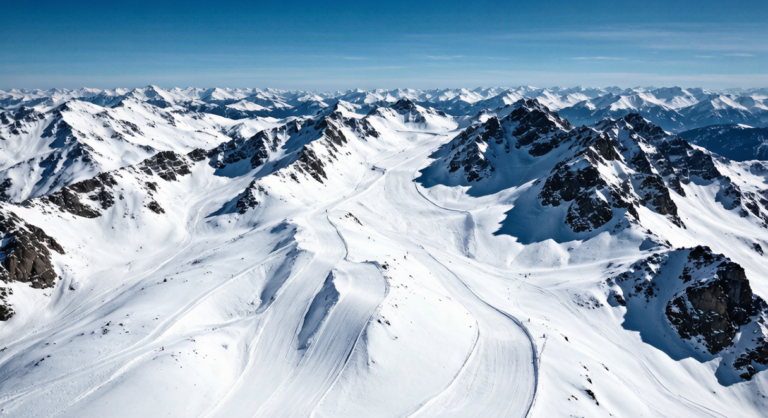
A blunt, first-person account of how cold really gets on an Altay ski trip, the early signs of frostbite and hypothermia, and the habits that have kept me skiing instead of shaking by a radiator.
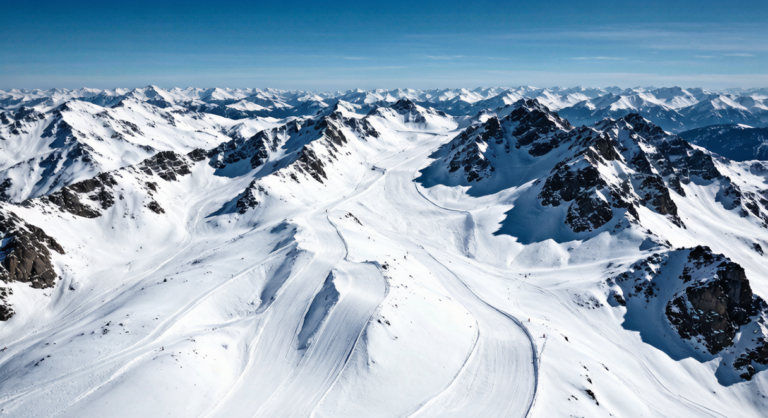
Cold, dry, and absurdly deep — Xinjiang’s snow has a scientific reason behind the hype. A skier-friendly look at how it forms, how resorts measure it, and how to read a snow report here.