Poskam and Zepu in Winter: The Golden Lake Poplar Park of Southern Xinjiang
Zepu (Poskam) holds one of the only year-round Populus forests watered by a desert river. In winter the golden wood freezes into a still, photographic silence.

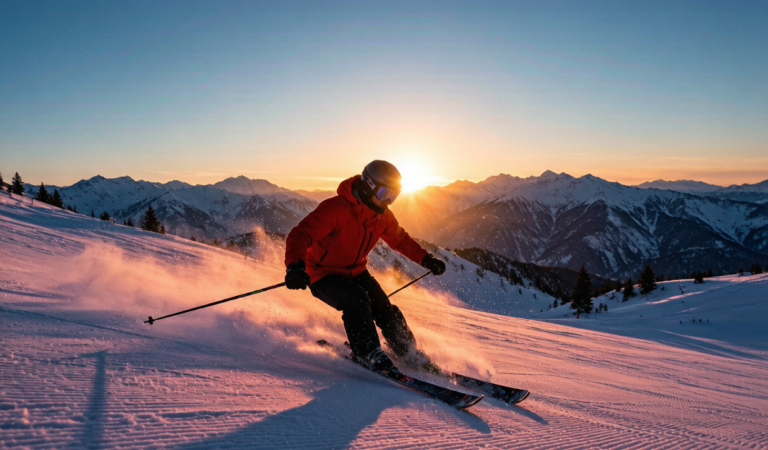
Zepu (Poskam) holds one of the only year-round Populus forests watered by a desert river. In winter the golden wood freezes into a still, photographic silence.
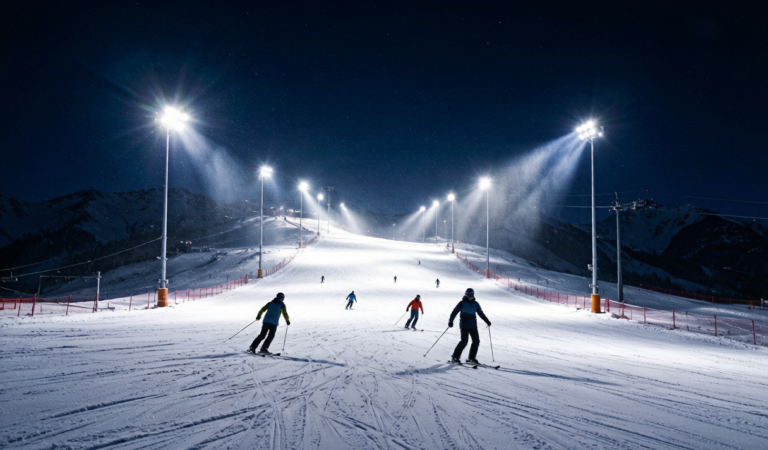
Minfeng (Niya) is the last town before the Taklamakan’s southern rim and the gateway to the buried Niya ruins. In winter it is wind, silence, and deep desert cold.
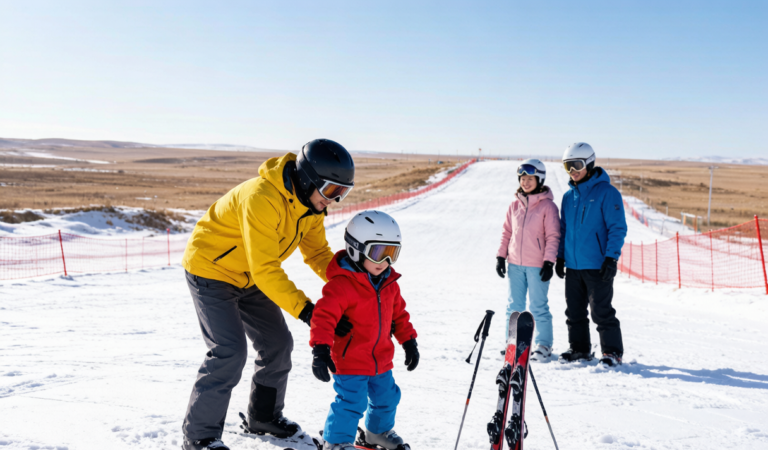
Yuli sits where the Tarim meets the Lop Nur hinterland. Winter here is empty desert, reed marshes, and a glimpse of the old Loulan world.
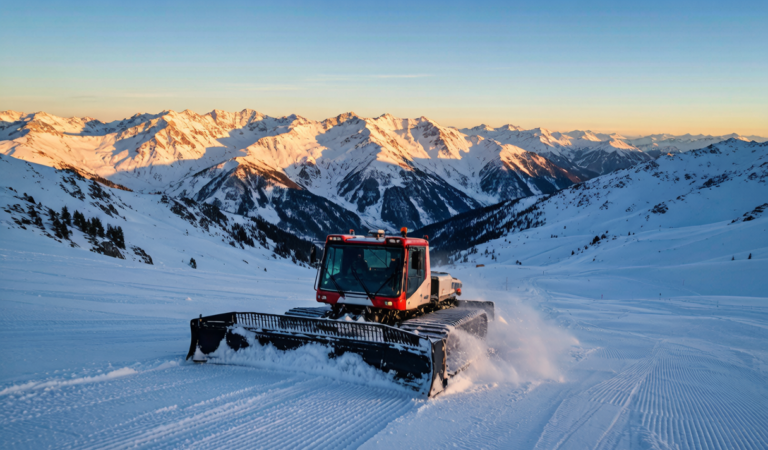
Xayar County is famous for its golden desert poplars in autumn — but in winter the same woods turn to frost and silence, a calm counterpoint to a ski week.
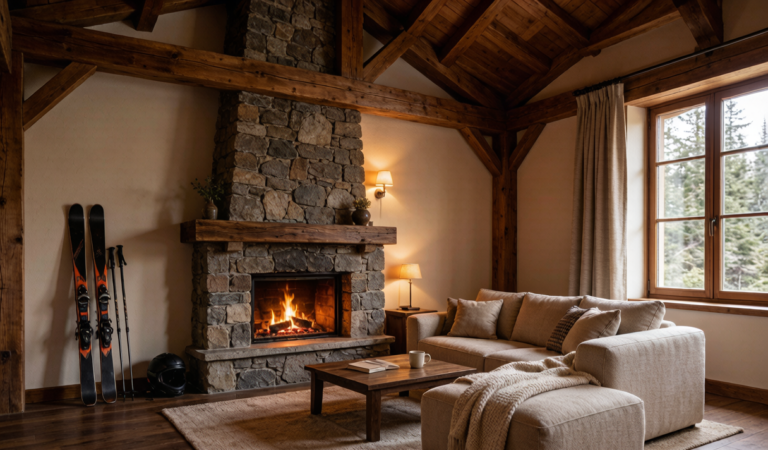
Wensu County sits beneath Tomur Peak, the highest summit of the Tianshan. In winter it is a basecamp for glacier views, frozen canyons, and serious mountain silence.
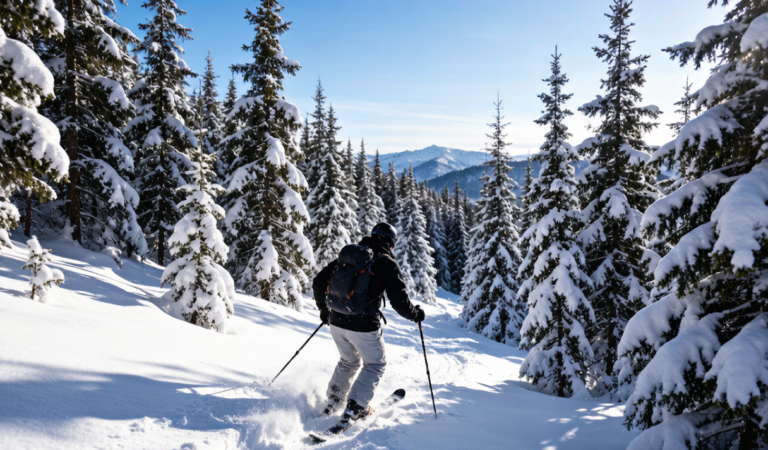
Qiemo (Cherchen) is where the Taklamakan Desert meets the Kunlun Mountains. In winter it is empty, frozen, and strangely beautiful — and a useful reset after a loud ski week.
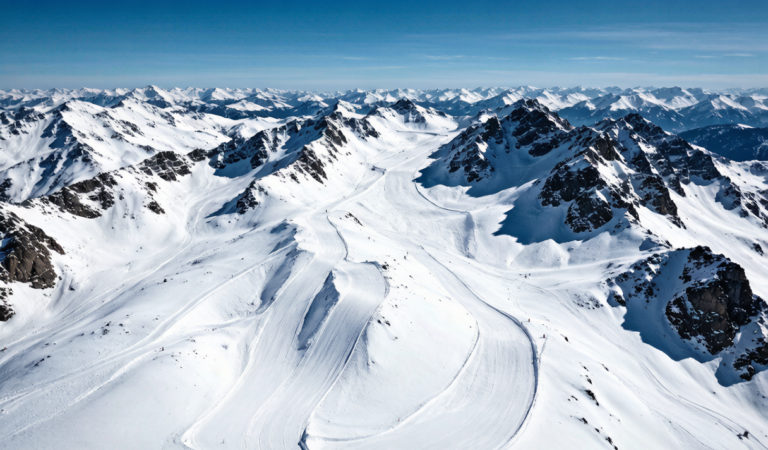
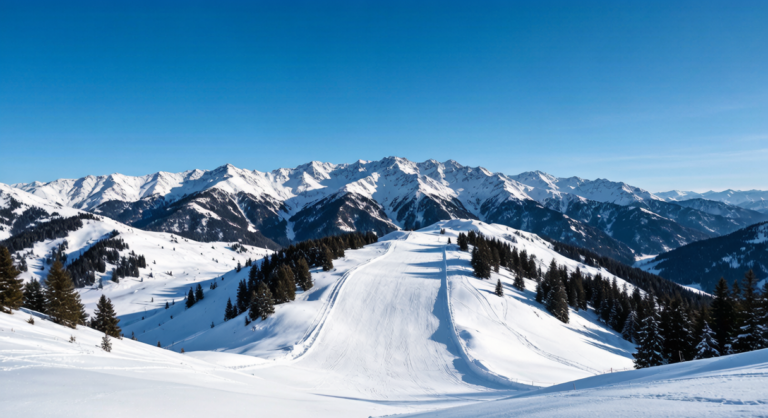
Akqi County sits at the far western edge of the Tianshan, where Kyrgyz herders still winter their flocks by frozen rivers. Here is what a ski trip there actually looks like.
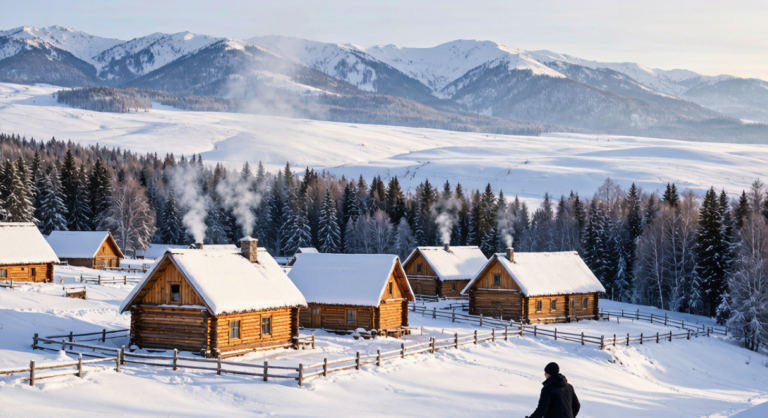
Driving a van between Xinjiang’s ski towns buys freedom most travellers miss. The real logistics: heating, where to park, road closures, and why a self-drive trip rewards the prepared.
When the pastures freeze, Xinjiang’s riders race. A practical look at winter horse festivals near the ski towns, what to expect, and how to pair one with a ski trip.
After the lifts close, Xinjiang’s towns fill with sound. A look at the live music, festivals, and warm-room gatherings that turn a ski day into a cultural night.