Ski Waxing for Xinjiang’s Cold, Dry Snow
Xinjiang’s snow is cold and dry, which means wax matters more than you think. Here is a plain-language guide to glide wax, grip wax, and not ruining your bases on a -20°C day.

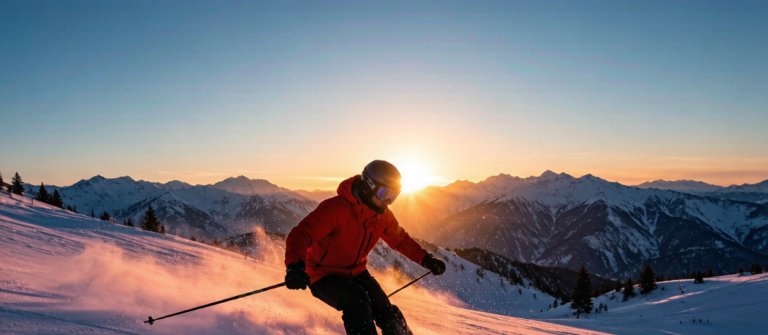
Xinjiang’s snow is cold and dry, which means wax matters more than you think. Here is a plain-language guide to glide wax, grip wax, and not ruining your bases on a -20°C day.
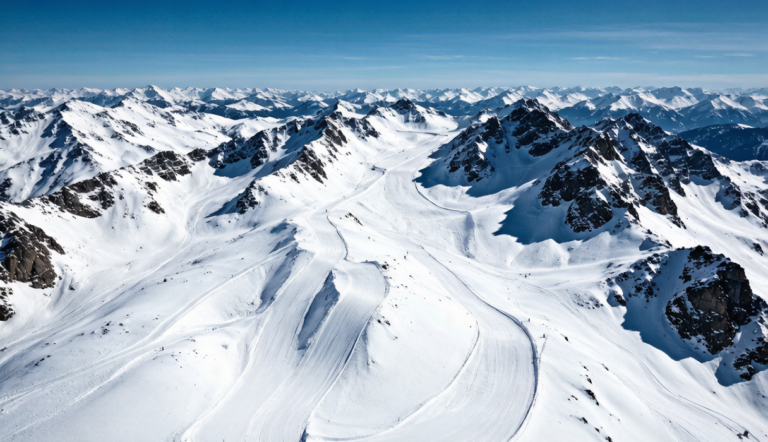
Taking children skiing in Xinjiang is easier and cheaper than you think — if you pick the right resort, pack the right kit, and plan for altitude and cold. Here is what worked for my family.
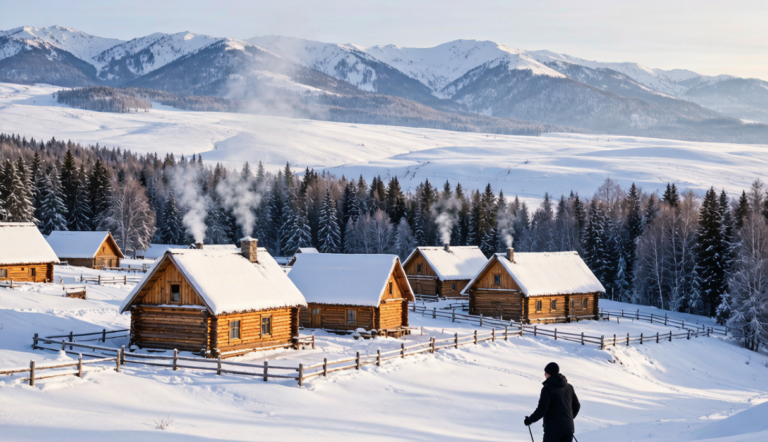
Xinjiang’s long season does not line up neatly with school breaks. Here is the honest timing map for families and study-abroad students, including the festival-crowd trap.
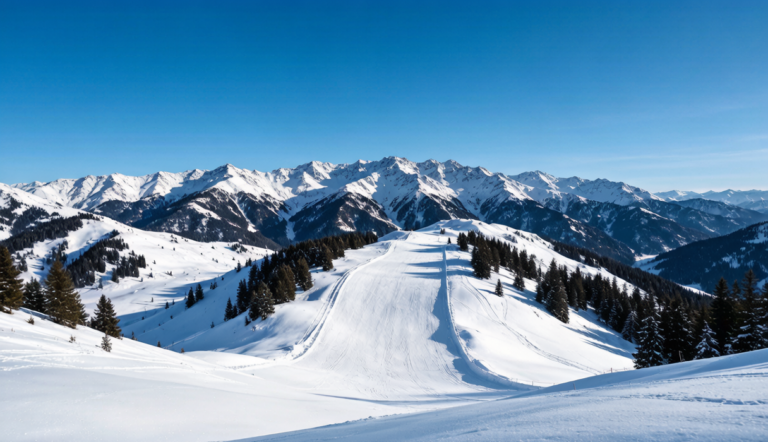
The first lift on a clear Xinjiang morning is the quietest, fastest snow and the best light of the day. Here is how to make first chair safely in minus-thirty cold.
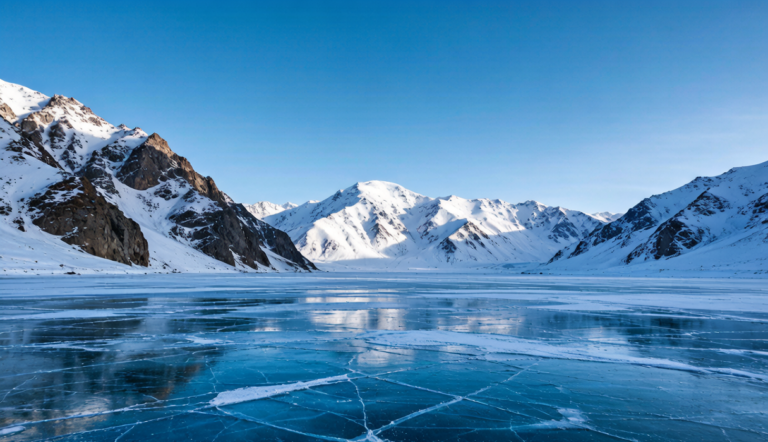
Frostbite on Xinjiang slopes is rare for the careful and common for the careless. Know the early signs, the right field treatment, and how to prevent it before a cold windy day.
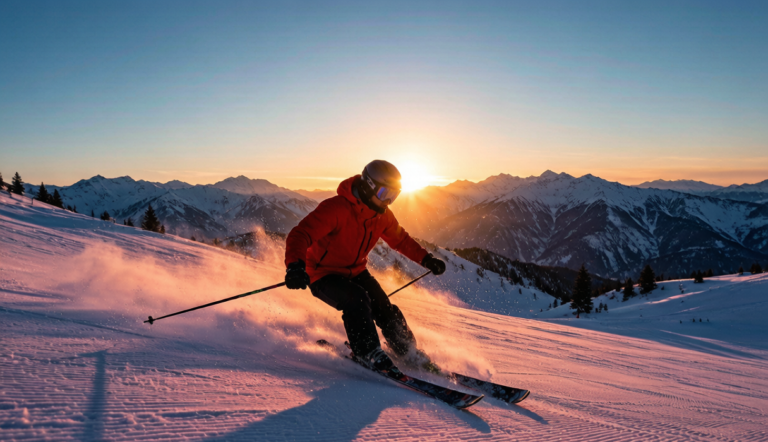
Halal food is the regional default across Xinjiang, so a Muslim ski traveller eats easily – but resort lodges and city hotels need a second look. Here is the practical reality.
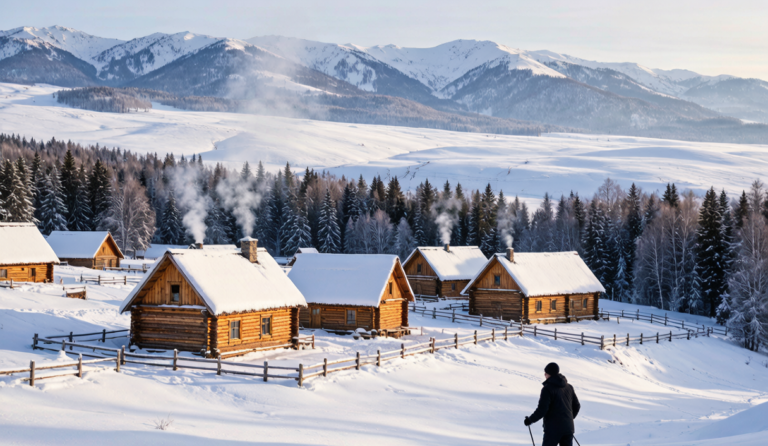
Resort food in Xinjiang is limited and shops close early. A practical guide to supermarkets, bazaars and the exact shopping list that lets you feed yourself without a kitchen.
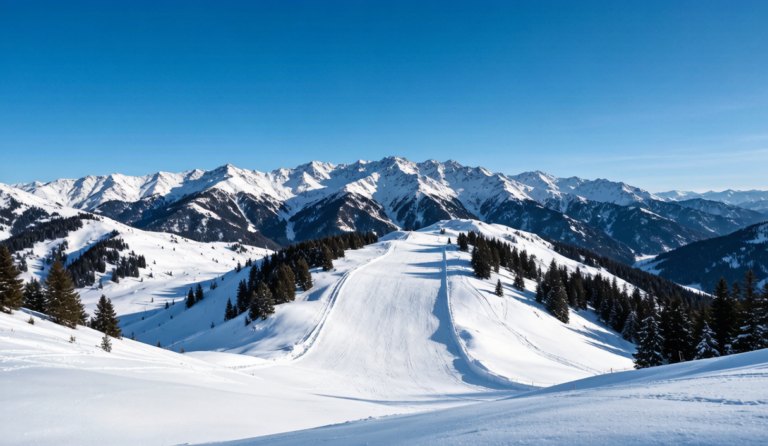
In Xinjiang the wind matters more than the thermometer. How to read Chinese cold wave and gale warnings, why valley floors are colder than slopes, and the thresholds where you should stop skiing.
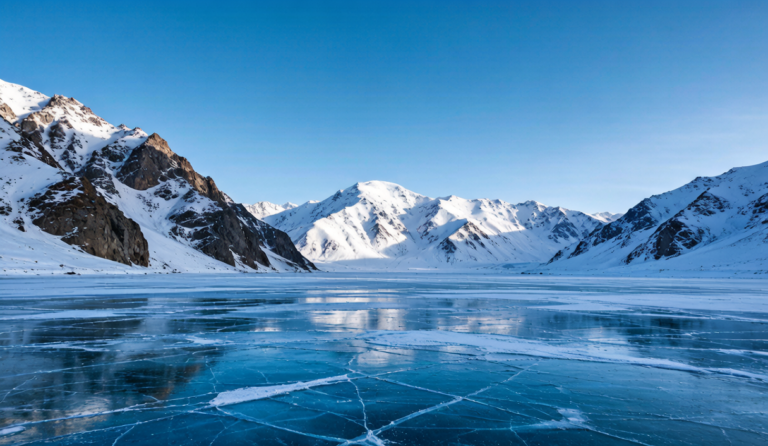
Xinjiang’s snow sculpture and ice carving displays are nothing like Harbin’s – they are smaller, scattered and local. Where to find them, when they peak, and how to photograph them.
County bathhouses are one of the most useful and least documented institutions of a Xinjiang winter. What they cost, what the scrub involves, what to bring and how not to embarrass yourself.