Kashgar in Winter for Skiers: A Cultural Decompression After the Slopes
No downhill skiing, plenty of soul. Why Kashgar is the perfect warm-up-your-mind add-on to a northern Xinjiang ski trip.

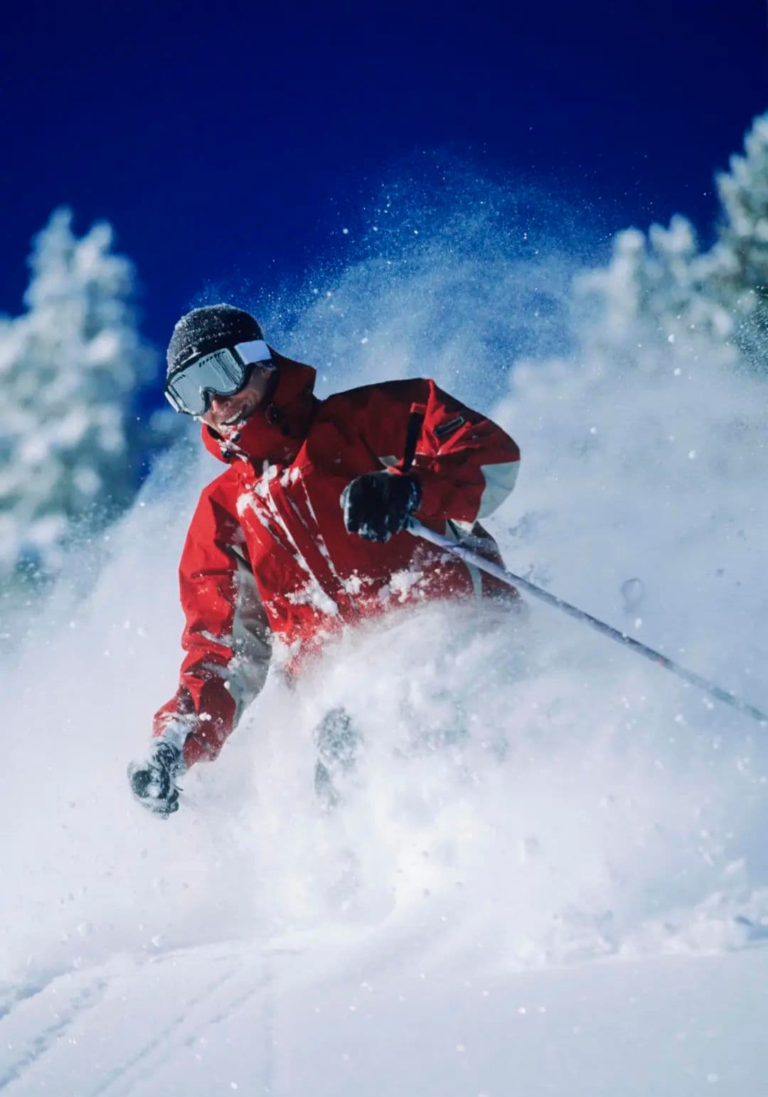
No downhill skiing, plenty of soul. Why Kashgar is the perfect warm-up-your-mind add-on to a northern Xinjiang ski trip.
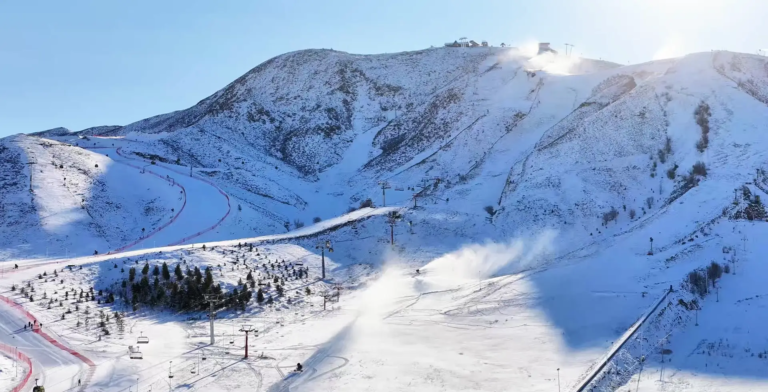
The Duku Highway gates shut for half the year. Here’s how to route a Xinjiang ski trip around the closure without losing the snow.
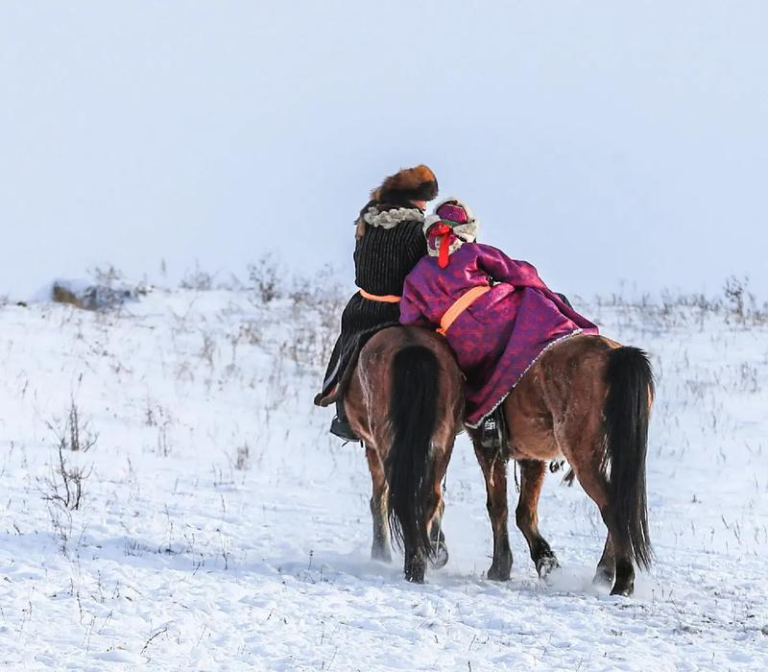
Xinjiang’s cold, dry winters produce fast, icy hard pack that humbles skiers used to soft snow. This practical guide covers edge control, steering, and confidence on the region’s firm slopes.
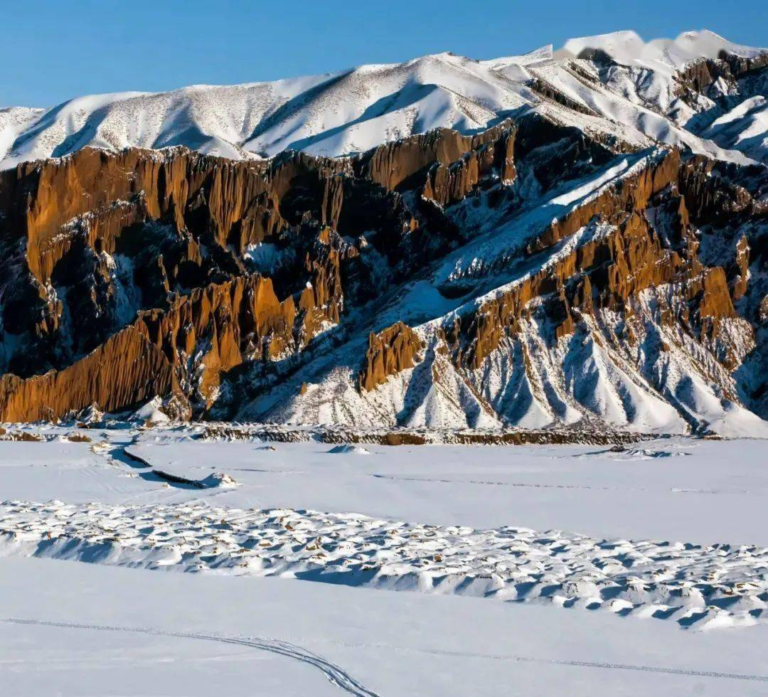
Kekadala (可克达拉) is one of Xinjiang’s newest cities, a planned river-town in the Ili valley. In winter it is quiet, clean, and a surprisingly convenient base for reaching the region’s snow routes.
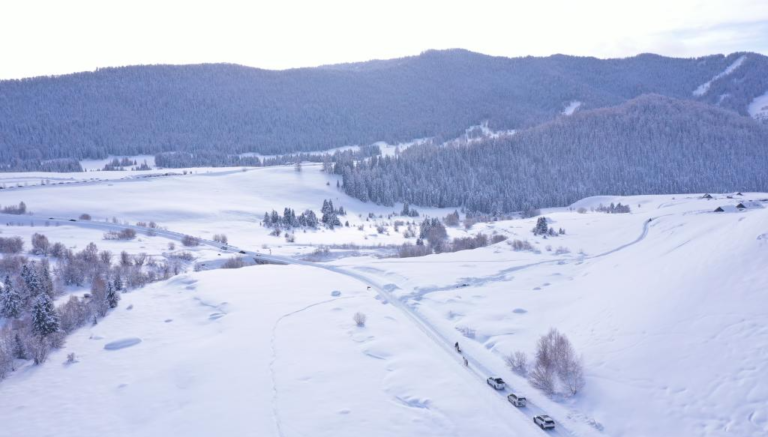
The Kunes (Kunnes) river valley in Ili is a lesser-known band of forest, river, and grassland snow between the famous resorts and the high Tianshan. In winter it is a calm, beautiful place to slow down.
Bagrax (Bosten Lake, 博斯腾湖) is the largest inland freshwater lake in Xinjiang, and in winter its surface freezes into a vast white plain for skating, ice fishing, and long walks. Here is how a winter visit actually goes.
Mongolkure (孟克特) is a remote river valley and old trade road in northern Xinjiang, famous in summer and near-empty in winter. For self-sufficient travellers it offers solitude, snow, and a real sense of the old north.
The Xiata (夏塔) valley in Zhaosu County is one of Xinjiang’s most beautiful winter walks — a snow corridor following an ancient Silk Road pass toward the Muzart glacier, with natural hot springs at the end. Here is how to do it.
Tekili County (特克斯县) is laid out as a giant bagua — a circular, eight-point city plan you can see from the hills. In winter it is a calm, warm base for exploring Ili’s snow routes toward Nalati and the Kazakh grasslands.
Keriya (于田县), deep on the southern edge of the Taklamakan, is about as far from a ski lift as Xinjiang gets. But for travellers crossing the desert’s southern rim, its winter stillness and Hotan-region culture are unforgettable.