Ruoqiang in Winter: Snow, Salt Flats and the Loulan Edge of Xinjiang
A grounded winter field note on Ruoqiang — the Taklamakan gateway where real ski slopes are a flight north, but the cold, the light and the Loulan silence are worth the trip.

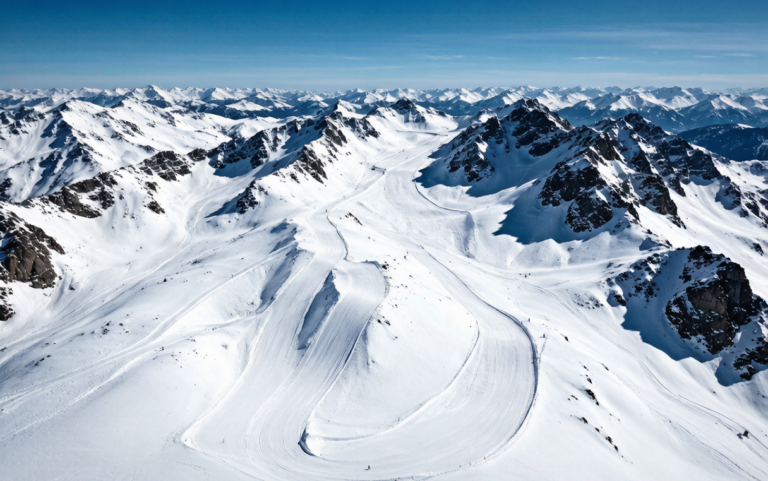
A grounded winter field note on Ruoqiang — the Taklamakan gateway where real ski slopes are a flight north, but the cold, the light and the Loulan silence are worth the trip.
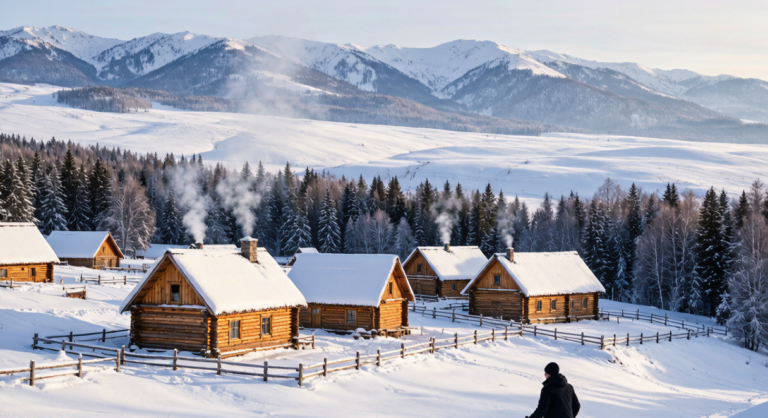
The Mongolian New Year, Tsagaan Sar, lands in late winter and turns a Xinjiang ski trip into a feast. A look at the festival, the food, and how to join respectfully.
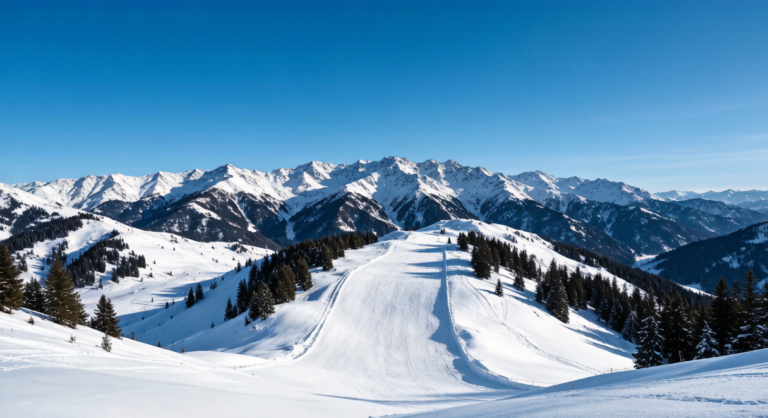
The parallel turn is where skiing stops being survival and starts being fun. A grounded progression from stem to carved turn, with drills that work on real Xinjiang snow.
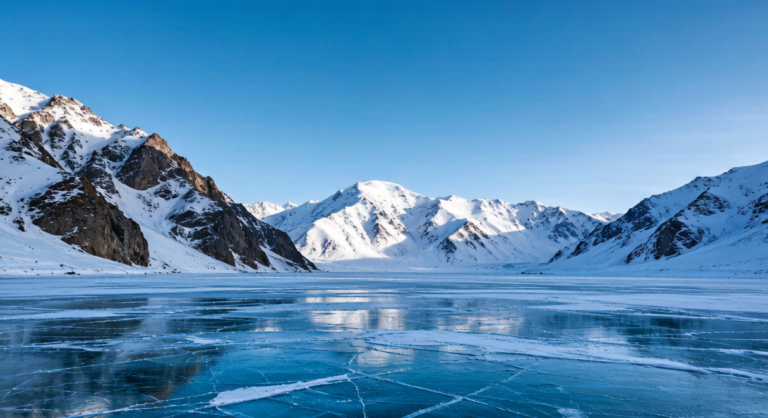
A motorcycle to the slopes sounds reckless until you live somewhere the winter roads are cleared and the distances are short. A cautionary, practical take on two-wheel ski access.
Trains get the attention, but the intercity bus is often the only direct link to a smaller Xinjiang ski town. A practical guide to riding it with gear.
Xinjiang polo (plov) is the post-ski meal of choice for a reason. Carrot, rice, lamb and a fried egg on top. Here is where to eat it and why it works after a long day on the snow.
The best meal of many ski days was not at the resort. It was a sesame samsa from a roadside oven and a kebab off a street cart. A practical eat-like-a-local field guide.
Forget the energy drink. The herdsmen’s salty milk tea, suutei tsai, is what actually warmed me between runs. A look at the drink, where to find it, and why it works in the cold.
Some of the most beautiful and most treacherous mornings on a Xinjiang ski trip come from rime and ice fog. A look at what causes them, where to see them, and how to ski them.
Flat light turns a familiar run into a guessing game. Here is how I read terrain, trust my edges, and pick the right lens when the Tianshan disappears into grey.