Reading Wildlife Tracks on a Xinjiang Ski Tour: A Winter Field Primer
Fresh snow is the best notebook in the mountains. A practical primer on the prints and signs you will actually see while ski touring in Xinjiang.

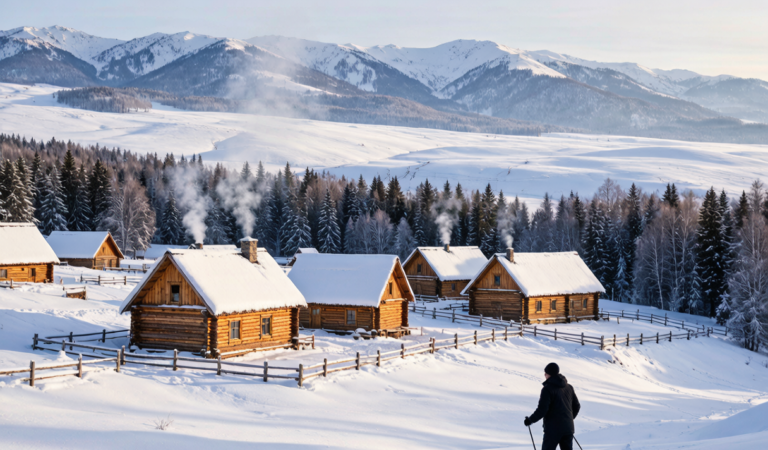
Fresh snow is the best notebook in the mountains. A practical primer on the prints and signs you will actually see while ski touring in Xinjiang.
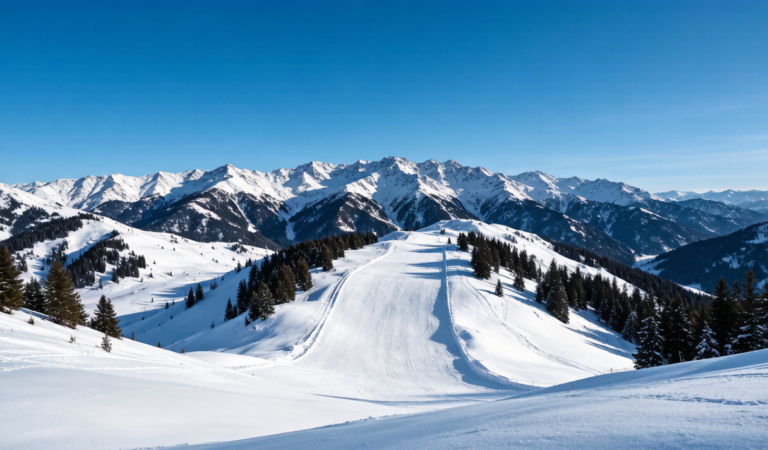
A practical, first-person code for photographing ski trips in Xinjiang — herders, villages, and sacred sites — without being the ugly tourist with a camera.
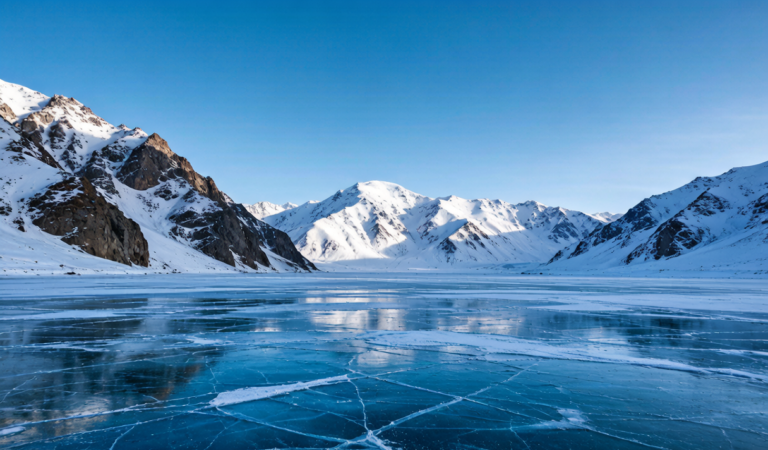
Bachu (Maralbexi) is a Tarim crossroads famous for its vast Populus forest and the ‘Red Sea’ wetland. Winter strips it back to ice, reed, and open sky.
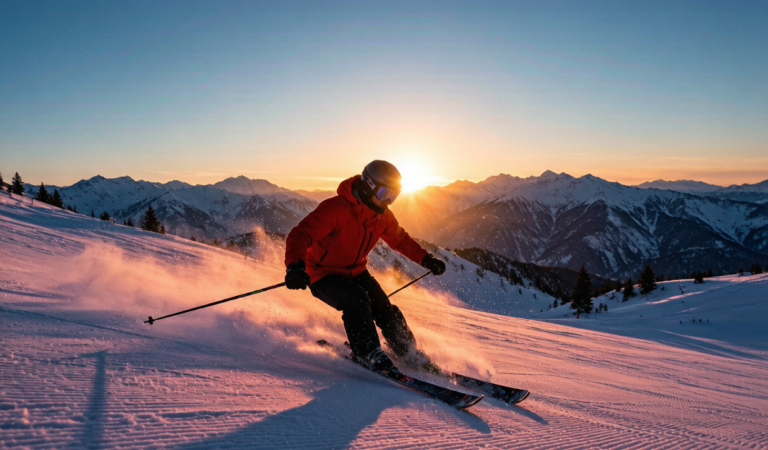
Zepu (Poskam) holds one of the only year-round Populus forests watered by a desert river. In winter the golden wood freezes into a still, photographic silence.
Minfeng (Niya) is the last town before the Taklamakan’s southern rim and the gateway to the buried Niya ruins. In winter it is wind, silence, and deep desert cold.
Yuli sits where the Tarim meets the Lop Nur hinterland. Winter here is empty desert, reed marshes, and a glimpse of the old Loulan world.
Xayar County is famous for its golden desert poplars in autumn — but in winter the same woods turn to frost and silence, a calm counterpoint to a ski week.
Wensu County sits beneath Tomur Peak, the highest summit of the Tianshan. In winter it is a basecamp for glacier views, frozen canyons, and serious mountain silence.
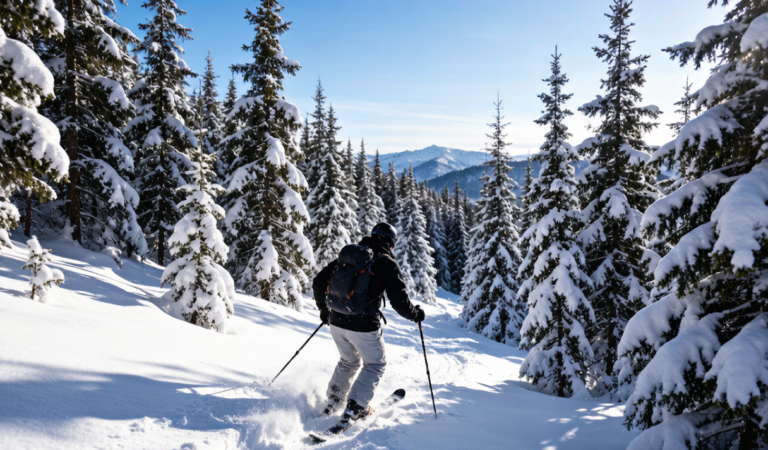
Qiemo (Cherchen) is where the Taklamakan Desert meets the Kunlun Mountains. In winter it is empty, frozen, and strangely beautiful — and a useful reset after a loud ski week.
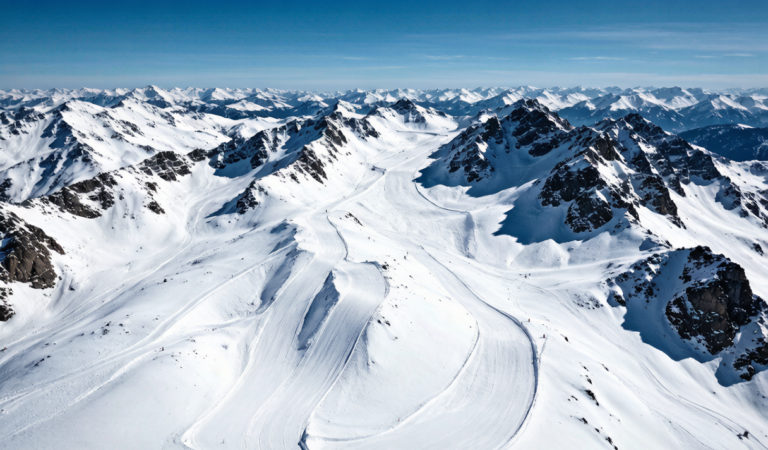
Akqi County sits at the far western edge of the Tianshan, where Kyrgyz herders still winter their flocks by frozen rivers. Here is what a ski trip there actually looks like.