Ski Waxing for Xinjiang’s Cold, Dry Snow
Xinjiang’s snow is cold and dry, which means wax matters more than you think. Here is a plain-language guide to glide wax, grip wax, and not ruining your bases on a -20°C day.

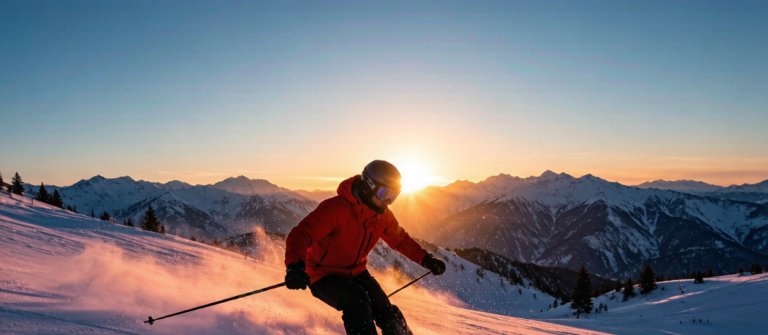
Xinjiang’s snow is cold and dry, which means wax matters more than you think. Here is a plain-language guide to glide wax, grip wax, and not ruining your bases on a -20°C day.
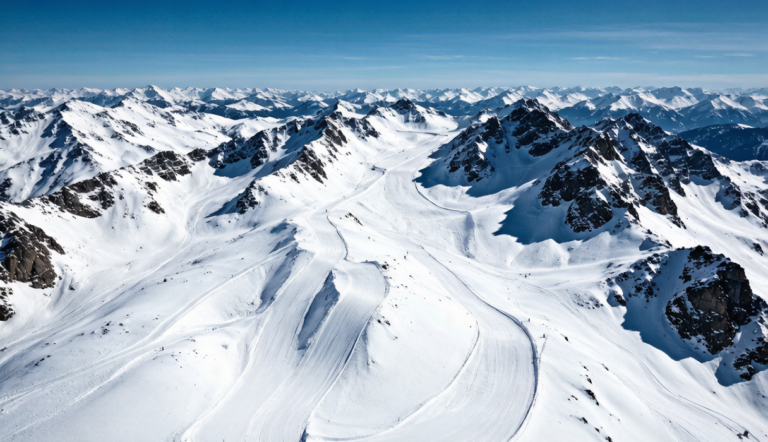
Taking children skiing in Xinjiang is easier and cheaper than you think — if you pick the right resort, pack the right kit, and plan for altitude and cold. Here is what worked for my family.
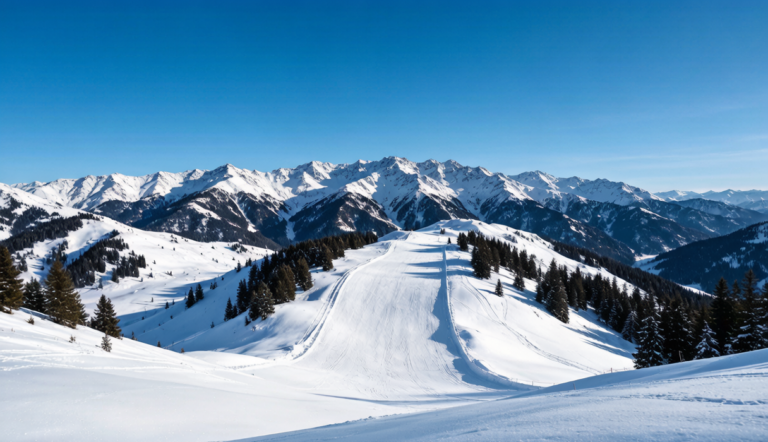
Korla, capital of Bayingol, is known for pears and the Tarim. In winter it is a calm, cheap base with Tianshan snow within driving distance and none of the resort crowds.
Burqin is the town you pass through to reach Kanas and Hemu — but it deserves a night of its own, with Russian-style streets, river ice-fishing, and hot springs.
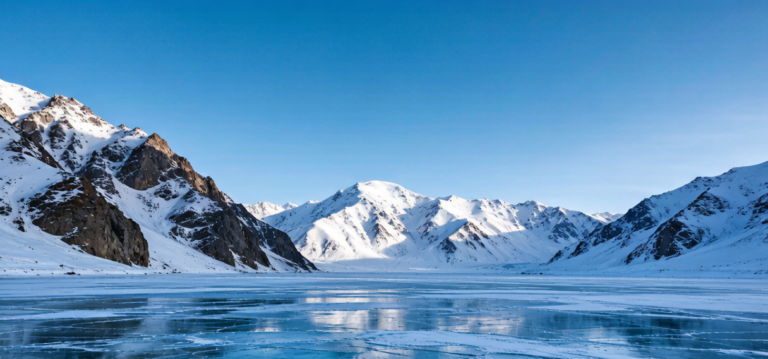
Hemu is the log-cabin village inside the Kanas reserve that turns into a frozen postcard every winter. Here is how to visit, ski nearby, and survive -30°C with a camera.
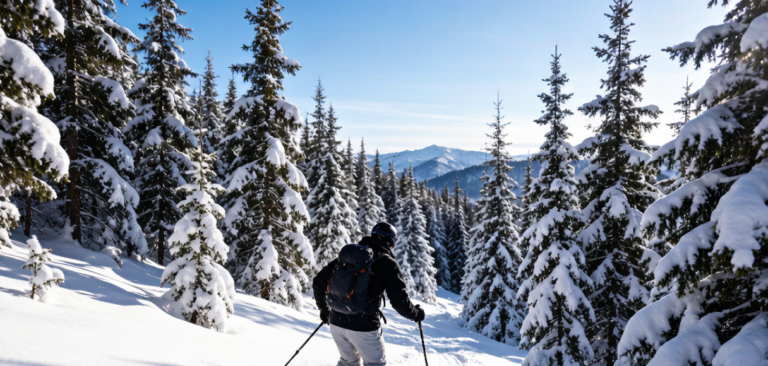
Yarkant, also called Shache, was once a kingdom of its own. Today it is a calm Kashgar-region town with cold winters, deep bazaars, and easy reach of mountain snow.
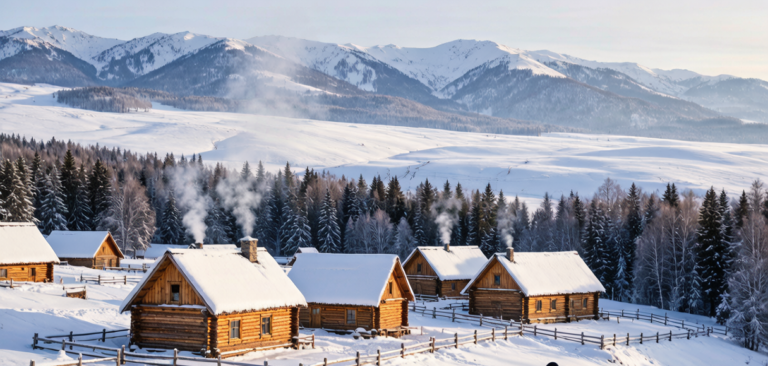
Kuqa sits on the southern edge of the Tianshan, a short drive from the Taklamakan. Here is a first-hand winter guide to skiing, eating, and staying warm in this old Qiuci oasis town.
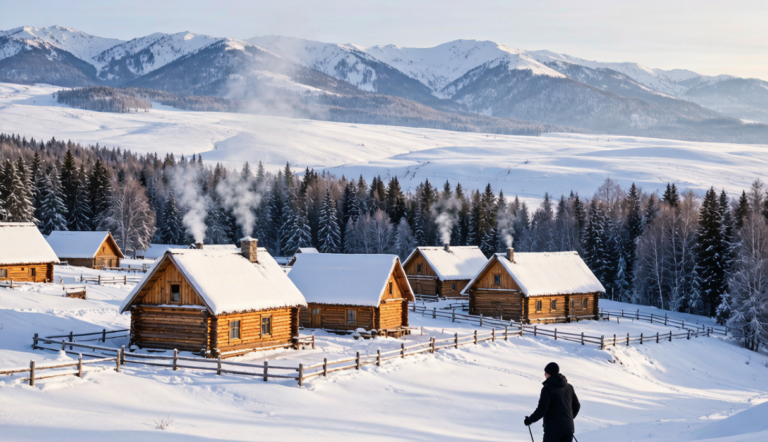
Xinjiang’s long season does not line up neatly with school breaks. Here is the honest timing map for families and study-abroad students, including the festival-crowd trap.
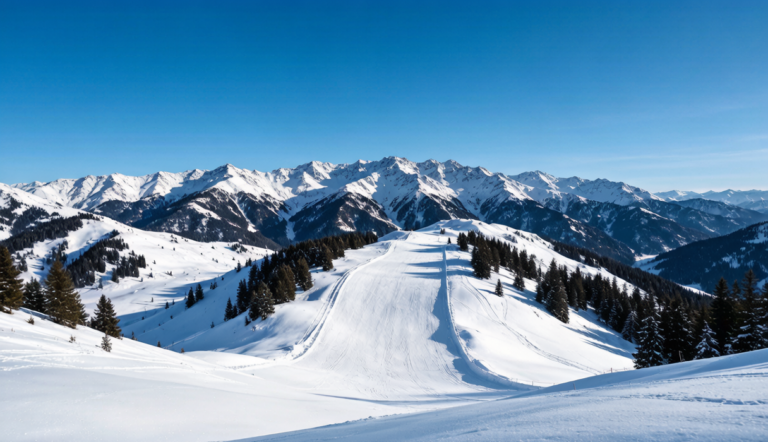
The first lift on a clear Xinjiang morning is the quietest, fastest snow and the best light of the day. Here is how to make first chair safely in minus-thirty cold.
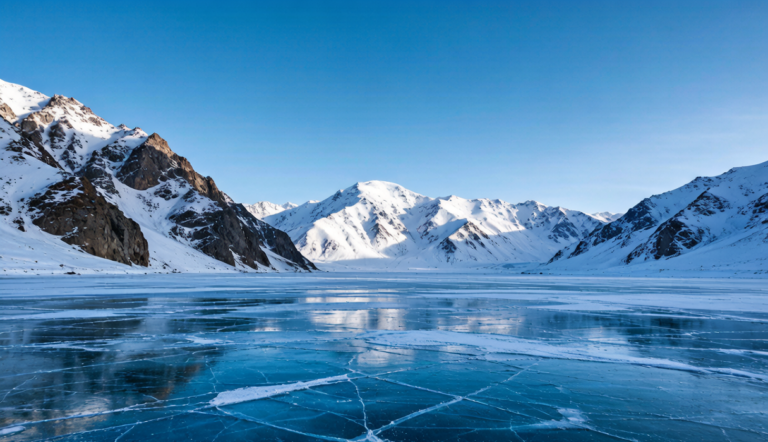
Frostbite on Xinjiang slopes is rare for the careful and common for the careless. Know the early signs, the right field treatment, and how to prevent it before a cold windy day.