

Buying or renting ski gear in China has changed dramatically over the last decade. International brands now sit alongside strong domestic manufacturers, and rental fleets at major resorts are more modern than ever. Whether you are shopping for your first setup or upgrading after a season, this guide explains which brands you will actually find, how to judge quality, and where to spend your money for the best return on the mountain.
International Brands You Will Find
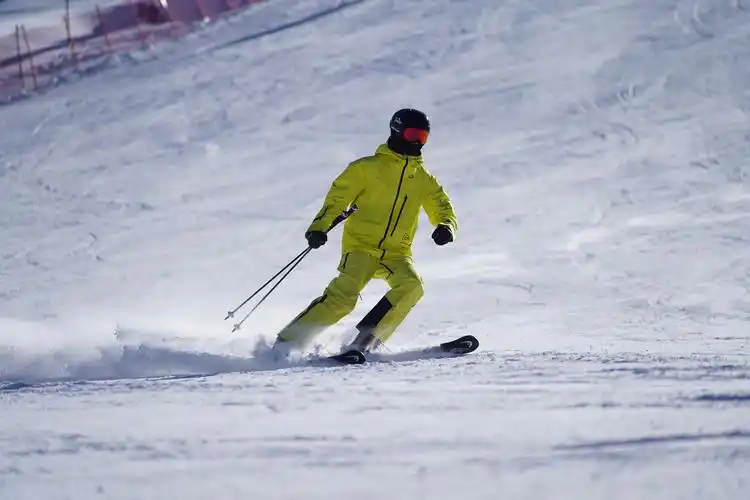
Global names dominate Chinese resort shops and e-commerce. Brands such as Atomic, Salomon, Rossignol, Head, and K2 are widely stocked in Beijing, Shanghai, and at China’s best ski resorts. These offer proven quality for everything from recreational carving to backcountry touring, and their warranty networks in China are now dependable. Prices sit close to global norms, but seasonal sales and city outlets make premium gear reachable for committed skiers.
- Atomic & Salomon — versatile all-mountain skis and boots.
- Rossignol — strong beginner-to-intermediate ranges.
- Head — popular race-inspired carving skis.
- Burton — the default for snowboards and outerwear.
- Volkl & Fischer — premium options for advanced skiers.
Chinese Brands Worth Knowing
Domestic manufacturers have improved fast. Companies like TSL, Vector, and Snowline produce affordable skis, boards, and especially outerwear suited to China’s cold, dry climate. For budget-conscious families, local brands offer real value without the import premium, and their sizing tends to fit Asian body types better. Several now sponsor junior race programmes, a sign that quality has moved well beyond bargain-basement beginner gear into genuinely capable equipment.
Renting Versus Buying
Most visitors should rent for their first one or two trips. Our Xinjiang equipment rental guide shows what a modern rental fleet includes and how to judge quality. The rental quality overview explains how to spot well-maintained gear versus worn-out equipment, which protects both your knees and your wallet.
Boots: The Most Important Purchase
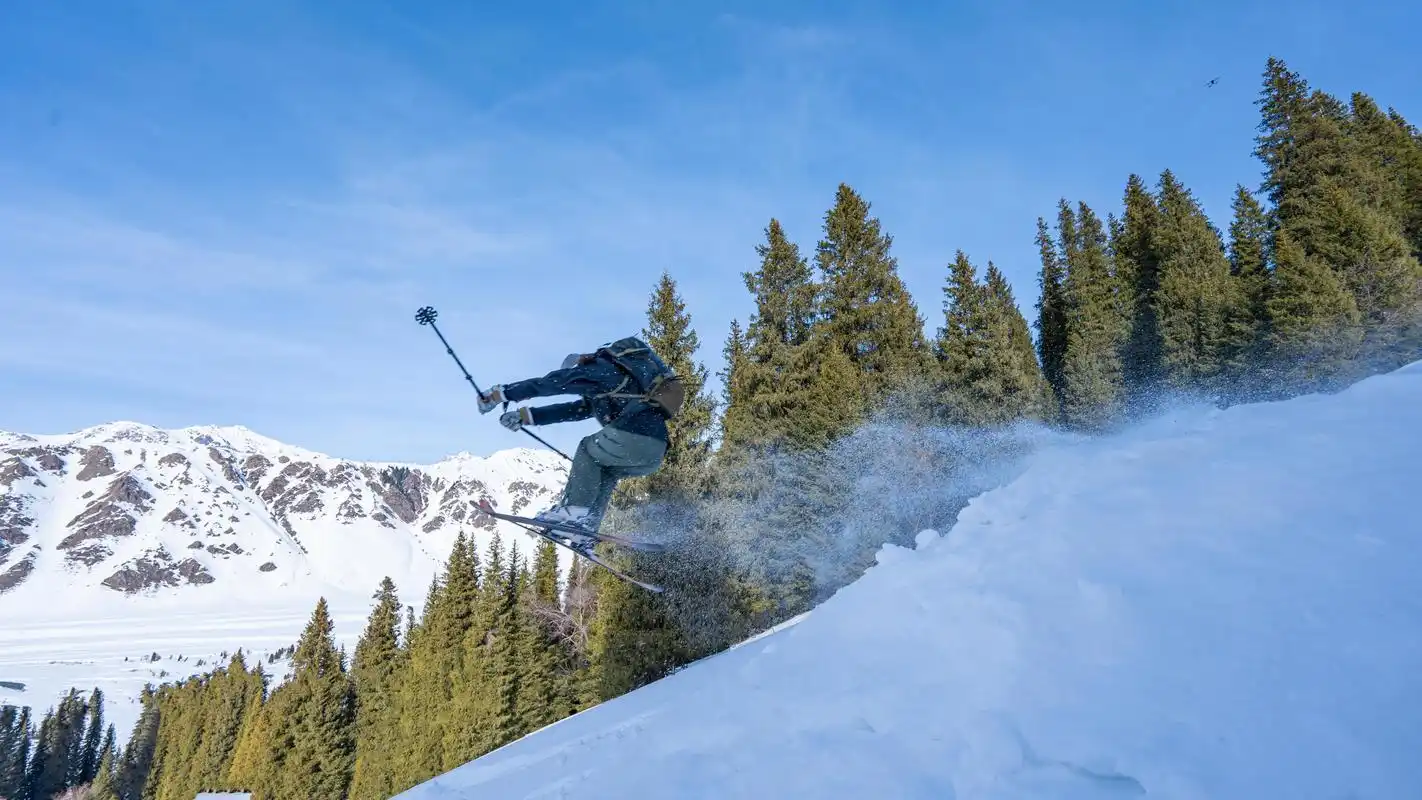
No single item affects your skiing more than boots. A well-fitted boot transforms your control, reduces fatigue, and prevents painful shin bruises. Prioritise a professional fitting, especially for children whose feet grow quickly, and ask about heat-mouldable liners for a custom feel.
Skis and Snowboards by Type
Beginners benefit from shorter, softer skis that are easy to turn, while advanced riders may prefer wider all-mountain or powder shapes. Snowboards range from soft park boards to stiff freeride decks. Rent a few types before buying so your purchase matches how you actually ski.
Outerwear and Layering
China’s resorts are cold and dry, so breathable, windproof shells with warm mid-layers work best. Look for sealed seams, pit zips, and powder skirts. Domestic brands excel here, offering technical jackets at a fraction of European prices without sacrificing warmth. A three-layer system, base, mid, and shell, lets you adapt as the day warms, which matters more for children who swing between active and resting states quickly.
Helmets, Goggles, and Safety Gear
Helmets are now standard and often included in rentals. Choose one that sits snug without pressure points, and pair it with goggles that match your lens to the light conditions. Wrist guards help new snowboarders, while knee pads suit first-time skiers building confidence. Replace any helmet that has taken a hard impact, because the protective foam compresses and loses its effect even if the shell looks fine.
Gloves, Socks, and Small Essentials
Skiers underestimate how much cold hands and feet ruin a day. Buy two pairs of thin, moisture-wicking socks rather than one thick pair, and choose gloves with removable liners you can dry overnight. A neck gaiter, pocket hand-warmers, and a small backpack for water and sunscreen complete a sensible kit that costs little but improves every run.
Bindings and DIN Settings
Bindings release you in a fall, preventing injuries, so correct DIN settings matter. A certified technician should set them based on your weight, height, and ability. Never buy used bindings you cannot have professionally tested and adjusted. As your skill grows, resist the urge to crank DIN higher for “security”, because a binding that will not release is more dangerous than one that occasionally pops off.
Where to Buy in China
Large cities have speciality ski shops, while resort on-mountain equipment shops handle last-minute needs like gloves, goggles, and tuning. Online platforms offer the widest selection but sizing can be tricky, so visit a shop to try boots before ordering online.
Online Versus In-Store Buying
E-commerce wins on price and range, but a physical shop lets you feel flex, try fit, and ask questions. A smart hybrid is to fit in-store, then hunt for the same model online during end-of-season sales. Keep receipts and check warranty terms before purchase.
When to Buy: Season-End Sales
The deepest discounts land in March and April, when shops clear winter stock. If you ski every year, buying then and storing gear at home pays off within two seasons. First-timers should still rent for a full season before committing, since preferred style often changes after real experience on snow.
Choosing Gear by Ability
Beginners benefit from shorter, softer skis that are easy to turn. Our China resorts for beginners guide pairs well with entry-level gear advice. Intermediate and advanced skiers should look at sidecut and stiffness suited to the terrain they ski most.
- Match ski length to your height and skill, not just marketing.
- Test rentals of a model before committing to buy.
- Invest in outerwear rated for sub-zero wind chill.
Care, Tuning, and Warranty
Chinese resort rental shops usually wax and edge gear between users, but owned equipment needs seasonal tuning. Portable tuning kits are cheap, and most resorts offer service desks. Keep your warranty card; reputable brands honour international warranties through their China offices. At season’s end, dry everything thoroughly, loosen bindings, and store skis in a cool, dry place to prevent rust and delamination that would otherwise shorten the life of your investment by years.
Frequently Asked Questions
Should I bring my own gear from abroad?
If you already own well-fitted boots and skis, bringing them saves rental cost and ensures comfort. Otherwise, renting on arrival is simpler and avoids airline baggage fees.
Are Chinese ski brands reliable?
Yes, for recreational use. Domestic outerwear and entry-level skis perform well in China’s dry snow, though elite racers may still prefer established European brands.
What does a good rental package include?
Typically skis or board, boots, poles, and a helmet. Some packages add goggles and a locker. Always check that boots fit snugly before leaving the shop.
How much does a first setup cost in China?
An entry-level package of skis, boots, and poles can be modest, while premium international setups cost several times more. Renting remains cheaper for occasional skiers.
Can I buy second-hand equipment safely?
Yes, through resort noticeboards and city ski clubs, but inspect edges, bindings, and boot liners closely. A certified shop can safety-check used bindings.
Do resorts rent clothing too?
Many northern resorts rent jackets and pants, which is handy for first-timers. Quality varies, so read our China skiing guide for what to expect before you rely on rentals.