

Winter in Xinjiang delivers some of the most photogenic skiing on the planet. Endless powder, dramatic mountain backdrops, and low-angle northern light make every run a potential frame. But great scenery does not guarantee great footage. If you have ever watched a shaky, overexposed clip and wondered why it looked nothing like the mountain you stood on, these Xinjiang ski video tips will change how you film. Whether you ride with a phone, an action cam, or a mirrorless body, the goal is the same: bring the feeling of the slope home without freezing your fingers off. The difference between a forgettable clip and a shareable one is rarely the camera; it is preparation, light, and a little patience.
Why Xinjiang Deserves to Be on Camera
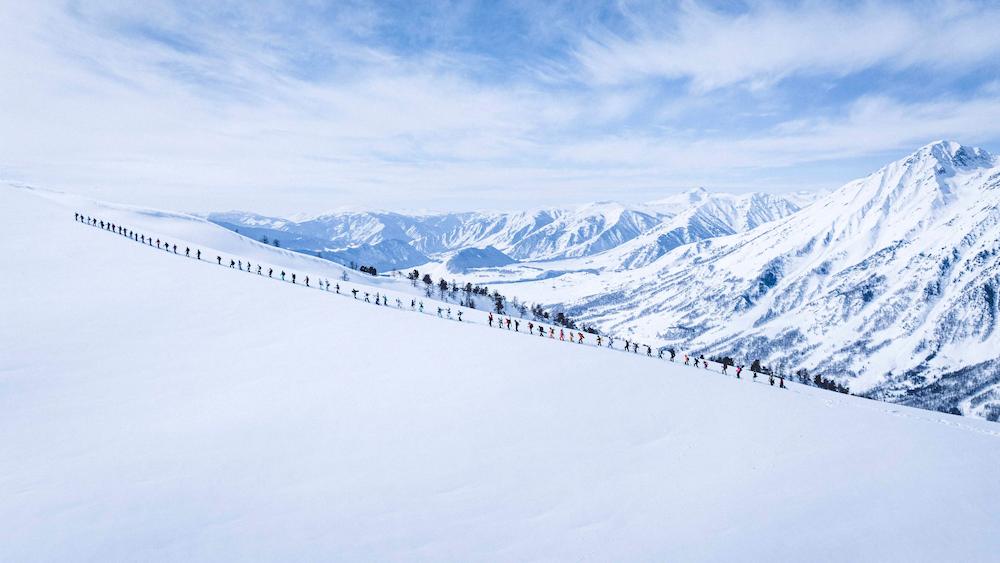
The resorts around Urumqi, Altay, and the Tian Shan range sit in a snow belt that receives steady storms through the season. The result is deep, consistent snow and a palette of blues and whites that flatters almost any lens. Before you point a camera, spend a morning simply watching the light. Early sun rakes across groomed runs and creates long shadows that read beautifully on video, while late afternoon wraps the peaks in warm gold. A solid Xinjiang skiing guide will help you pick resorts where the views are unobstructed and the lifts give you repeated access to the same scenic face. Resist the urge to film everywhere at once; choose two or three signature spots and return to them in different conditions.
Choose the Right Camera Setup
You do not need a cinema rig to shoot compelling ski video. Most riders do best with a chest or helmet mount and a small action camera that starts recording with one button. Phones work surprisingly well in good light if you keep them warm and steady, while mirrorless cameras deliver the best dynamic range for bright snow but demand more care. Whatever you carry, protect it from cold and condensation. A Xinjiang ski packing list should always include spare batteries, a microfiber cloth, and a sealed pouch for electronics. Cold drains batteries fast, so rotate two or three and keep the spares in an inside pocket against your body.
Action Cam Versus Phone
- Action cams: tiny, rugged, wide-angle, ideal for POV and falls.
- Phones: convenient, excellent stabilization, limited in extreme cold.
- Mirrorless: best image quality, heaviest and most fragile.
Mirrorless and Compact Options
If you already own a mirrorless camera, use it for the beauty shots at the summit rather than for high-speed POV. A short prime lens keeps weight down and image quality high. The trade-off is battery life and fragility, so a compact body with a weather-sealed shell is the sensible compromise for a multi-day trip.
Essential Shots Every Skier Should Nail
Plan a short shot list before each session so you are not fumbling on the lift. A reliable sequence is: wide establishing shot of the mountain, a tracking shot beside a friend, a selfie-style reaction at the top, and one detail shot of snow spray. Repeat the sequence at different resorts so your final edit shows variety. Many of the top Xinjiang ski resorts have scenic gondola sections perfect for slow, sweeping beauty shots. Ask a friend to film you from the side while you carve; side angles reveal the shape of a turn far better than a helmet cam ever can.
Composition Rules That Work on Snow
- Keep the horizon level; tilting slopes exaggerate and distract.
- Leave headroom above your subject so the frame breathes.
- Use leading lines like groomed corduroy to draw the eye inward.
- Shoot toward the light for sparkle, away for mood.
Camera Settings for Bright Snow
Snow fools meters. Left on automatic exposure, your camera will darken the scene and turn brilliant white into dull grey. Open up by one to two stops, or use exposure compensation set to positive. For action, choose a fast shutter speed (1/1000s or quicker) to freeze spray, and a high frame rate (60fps or 120fps) if you plan slow-motion in the edit. Proper clothing layering for Xinjiang skiing lets you stand still long enough to dial in settings without rushing. Set your white balance to daylight rather than auto, because auto can shift colors oddly between sun and shade on the same run.
White Balance and Exposure
Bright snow and deep shadow sit side by side on a sunny slope, and that contrast is where cameras struggle. Slightly underexpose the brightest snow to protect highlight detail, then lift shadows in editing. Shooting in a flat or log profile gives you more flexibility later, provided you are willing to grade the footage instead of posting it raw.
Stabilization and Mounts
Even the best location looks amateur when the frame jitters. Use electronic stabilization in-camera, and prefer a chest mount over a loose hand grip for POV. A small gimbal improves mirrorless footage dramatically but adds weight. Practice mounting before you ride; fiddling with clips at the summit with frozen hands is where most good shots are lost. A chest mount produces a natural, immersive angle that viewers read as “I am there,” while a helmet mount tends to bob with every head turn.
Chest, Helmet, and Pole Mounts
Chest mounts are the all-round favorite for skiing because they stay stable through bumps. Helmet mounts capture where you look but exaggerate motion. A pole mount, held low and swept in an arc, creates cinematic reveals of the mountain behind you. Pick one primary mount per day so your footage has a consistent perspective.
Filming People and Friends
The best ski videos are about people, not just scenery. Catch the moment your friend clicks into bindings, the laugh after a tumble, and the quiet gondola conversation. These human beats give your edit a story arc that pure slope footage lacks. Always ask before posting someone’s face, and blur backgrounds if a stranger appears unexpectedly in a public lift line.
Editing Your Ski Footage
Editing is where raw clips become a story. Start by trimming every take to its strongest two or three seconds, then sequence wide-to-tight: mountain, then skier, then detail. Add music that matches pace, keep cuts on the beat, and resist the urge to use every filter. A one-minute reel of your best Xinjiang moments will outperform ten minutes of unedited runs. Families often enjoy a slower cut, so consider a calm version for the Xinjiang ski family vacation crowd back home. Color-grade toward cool blues for snow and warm tones for apres scenes to separate the day’s moods.
Music and Pacing
Choose royalty-free tracks to avoid takedowns, and cut on the beat so the rhythm carries the viewer. Open with your single best shot to hook attention in the first three seconds, then build to a satisfying final turn. Less is more; a tight sixty-second edit feels far more professional than a sprawling montage.
Sharing and Staying Safe
Before you post, double-check that you have permission to film others and that no resort rules were broken. Keep the camera off the hill when conditions are dangerous; no clip is worth a collision. Beginners should focus on fun first and footage second, and a few beginner ski lessons in Xinjiang will build the confidence that makes relaxed, natural video possible. Set the camera to record only when you are actually skiing, so you are not tempted to glance at a screen mid-run.
Frequently Asked Questions
What is the best camera for ski video in Xinjiang?
For most visitors an action camera with stabilization is the best balance of quality, weight, and cold tolerance. Phones work in good light, while mirrorless bodies suit those who prioritize image quality over convenience.
How do I stop snow from looking grey in video?
Use positive exposure compensation of about one to two stops, or switch to manual and open the aperture slightly. Bright snow tricks automatic meters into underexposing the whole frame.
Can I film with my phone in freezing weather?
Yes, but keep it in an inside pocket between takes to preserve battery life, and avoid condensation by sealing it in a pouch before returning to a warm room.
What frame rate should I shoot skiing at?
Shoot 60fps for smooth motion and 120fps or higher if you want dramatic slow-motion replays during editing.
How long should a ski video reel be?
One to two minutes is ideal for social sharing. Longer edits work for a personal travel diary, but tight pacing keeps viewers engaged.
Should I film in log or standard profile?
Log preserves the most detail for grading but looks flat until edited. Standard profiles are fine if you plan to post clips straight from the camera without color work.