

Planning a ski trip where some people confidently carve black runs while others have never clicked into a pair of skis is a different kind of logistics problem. The usual advice of picking a resort and going falls apart the moment ability levels diverge. Xinjiang, with its deep dry powder, long winter seasons, and rapidly maturing resort infrastructure, is genuinely well suited to mixed-ability groups, but only if you design each day around the gap in skill rather than against it. This guide explains how to choose a base, structure the day, and keep every member of the group, from first-timer to expert, genuinely enjoying themselves.
Why Xinjiang Works for Groups of Different Levels
Xinjiang’s headline resorts were built for volume and variety. Unlike compact alpine villages where a single lift serves one steep face, the major bases around Altay and Urumqi layer beginner bowls, wide intermediate groomers, and expert off-piste terrain off the same mountain. That vertical integration is exactly what a mixed-ability group needs: everyone rides up together and peels off into terrain matched to their ability, then converges again at the same base.
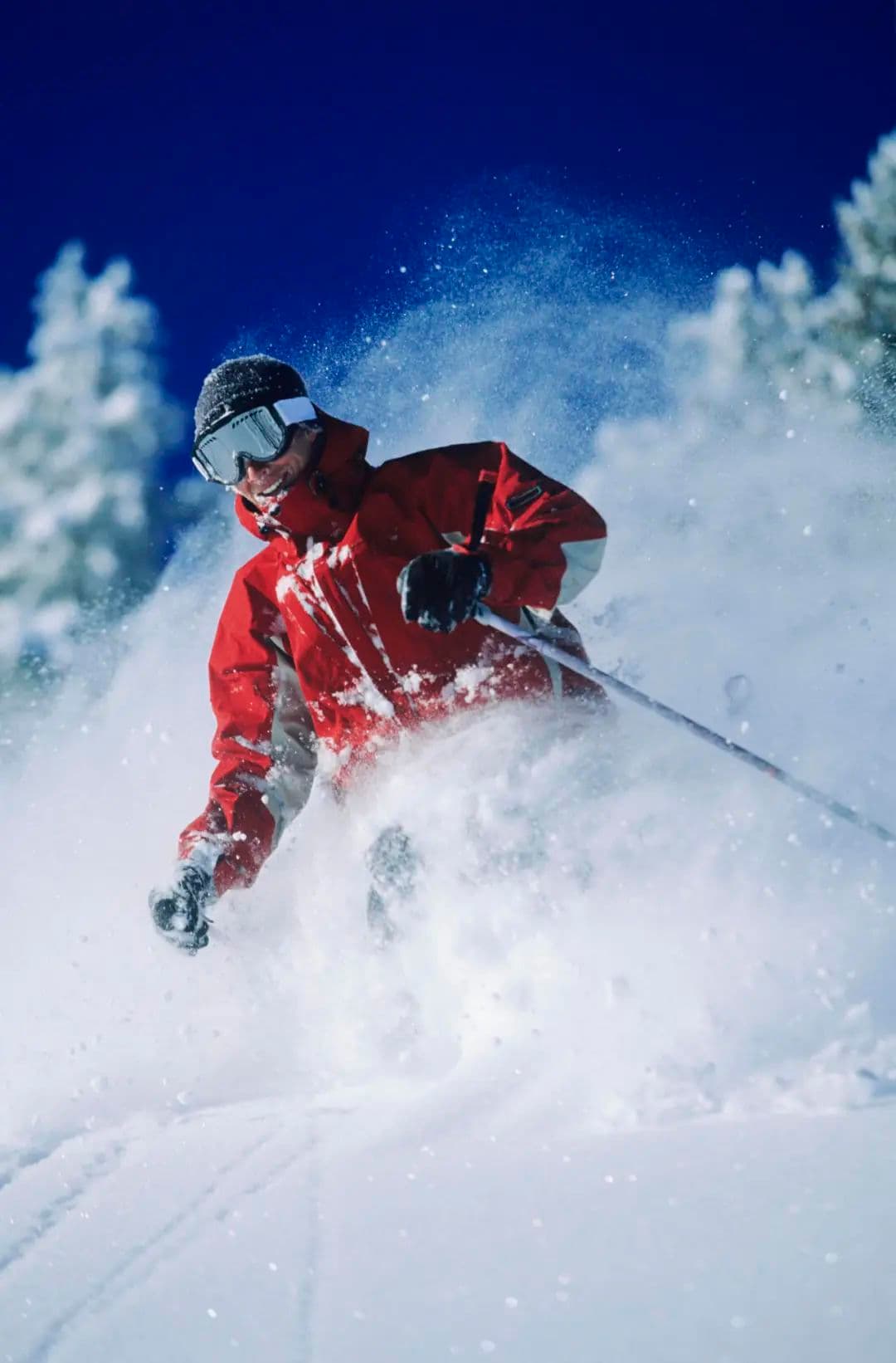
The snow quality compounds the advantage. The region’s cold arid continental climate produces light forgiving powder that makes falling less punishing for learners and more rewarding for experts. Add in reliable sunshine and low humidity, and you get conditions where a nervous beginner and a seasoned freerider can both have a great day on the same mountain. If you are still weighing destinations, our overview of Xinjiang Ski Resorts maps out which bases suit which rider profiles.
Traveling as a group is also straightforward. Most international visitors fly into Urumqi and connect onward to Altay, and resorts increasingly offer private transfers that handle a mixed group plus all its luggage and gear in one vehicle. Building the arrival day around a single transfer rather than several separate buses keeps the group intact from the airport, which pays off across the whole trip.
Picking a Resort with Parallel Easy and Hard Runs
The single most important factor for a mixed-ability group is what planners call parallel descents. You want a mountain where the easiest green run and the hardest black run both terminate at the same base area or mid-station, ideally served by the same chairlift. That arrangement lets the group ride up as a unit and reunite naturally, without anyone being pressured onto terrain above their comfort level.
When you read the trail map, look for lifts that branch into clearly separated difficulty zones rather than a single spine that funnels everyone through advanced sections. Newer skiers should start where falls are cheap and recoveries are quick. Our first-timer’s resort guide flags the gentlest base areas and widest beginner corridors, while confident skiers can take that same lift and drop into steeper faces knowing they will funnel back to the agreed meeting point.
If anyone in the group is still building confidence, a short private lesson on the first morning pays for itself many times over, getting that person onto parallel terrain faster and removing the drag on the rest of the group’s plan.
The Split-and-Meet System That Keeps Everyone Happy
Once you have the right mountain, the day runs on a simple rhythm: ski together to a shared meeting point, split by ability for a couple of runs, then reconvene for food, photos, or a relaxed cruise back down. Agree on fixed meeting times, every ninety minutes works well, and pick a visible landmark near a lodge or lift exit so no one is hunting for the group.
Cheap two-way radios or a simple group chat with downloaded offline maps solve the inevitable where are you problem before it starts. Groups that book through a resort group lesson program often get a dedicated guide who manages exactly this split-and-meet choreography, which lifts the organizational burden off the most experienced skier in your party and lets them actually enjoy the trip.
Protecting the Weakest Skier’s Energy
The fastest way to ruin a mixed-ability trip is to let the strongest skier set the pace. Fatigue is precisely when beginners get hurt and when quiet resentment starts to build. Build in early breaks, schedule shorter morning sessions for newer skiers, and treat the final run of the day as a gentle group glide rather than a challenge. At Xinjiang’s altitude, hydration and pacing matter even more, so normalize frequent warm-up stops.
Gear choices matter more than people expect. Well-fitted boots and a correctly sized ski reduce fatigue dramatically, so build in a rental fitting session on arrival rather than rushing onto the snow. Most bases have heated warming huts at regular intervals, and weaving those into the route gives weaker skiers sanctioned rest without feeling like they are holding the group back. Families traveling with children benefit enormously from dedicated programs.
The resort kids’ camps give younger skiers structured coaching while adults ski harder terrain nearby, then everyone reconnects at lunch. For travelers with reduced mobility, our wheelchair-access guide covers which bases offer step-free routes, accessible bathrooms, and adaptive equipment so no one is left out of the plan.
Lessons That Bridge the Gap
A well-timed lesson is the cheapest multiplier for group harmony. Booking a mix of private and group instruction lets weaker skiers level up during the week while stronger skiers explore freely. Our broader Xinjiang skiing guide includes a section on matching lesson types to group composition, including how to request English-speaking instructors and how to bundle lessons with equipment rental to save money.
Many schools also offer group booking discounts when you enroll three or more people at once, which makes structured coaching cheaper than it looks on the rate card. Splitting the group into a beginner pod and an advanced pod for morning lessons, then skiing together in the afternoon, is a pattern that works especially well for families and friend groups with a wide ability spread.
Frequently Asked Questions
Is Xinjiang suitable for a group where some people have never skied?
Yes. The major resorts have dedicated beginner zones, magic-carpet lifts, and English-friendly rental shops. The key is choosing a base with parallel easy and hard runs so the group shares lifts without forcing novices onto difficult terrain, and booking a first-day lesson to accelerate confidence.
Which Xinjiang resort is best for a mixed-ability group?
Bases around Altay and Urumqi that offer on-mountain lodging and varied terrain from a single lift are ideal. Look for wide green corridors that share a base station with intermediate and expert faces, plus on-site childcare and dining so the group can regroup easily.
How do we keep non-skiers or small children entertained?
Most large resorts offer snow-play zones, tubing hills, indoor pools, and spa facilities. Kids’ camps provide supervised coaching, and many bases have cafes with mountain views where non-skiers can relax while the group is on the slopes, then join for lunch.
Do resorts provide equipment for all sizes and abilities?
Rental shops stock a wide range of boot sizes and ski lengths, and adaptive equipment is available at the more developed bases. Confirm sizes and any adaptive needs in advance, especially during peak holiday weeks when inventory runs low and wait times climb.
What is the best time of year to bring a mixed group?
Mid-season, roughly January into early February, offers the most reliable snow and full services. Avoid the busiest Spring Festival window if your group prefers shorter lift lines and calmer slopes while learning, though you will trade some of the festive atmosphere.