

An all-inclusive China ski package bundles the moving parts of a winter holiday into one booking: lifts, lodging, sometimes meals, and often transfers and lessons. For foreign visitors who do not speak the language or know the terrain, that simplicity has real value. Instead of stitching together flights, hotels, and resort access, you pay one provider and arrive with a plan already in place. The trade-off is less flexibility, so the trick is choosing a package that matches how you actually like to ski and how much control you want over daily plans.
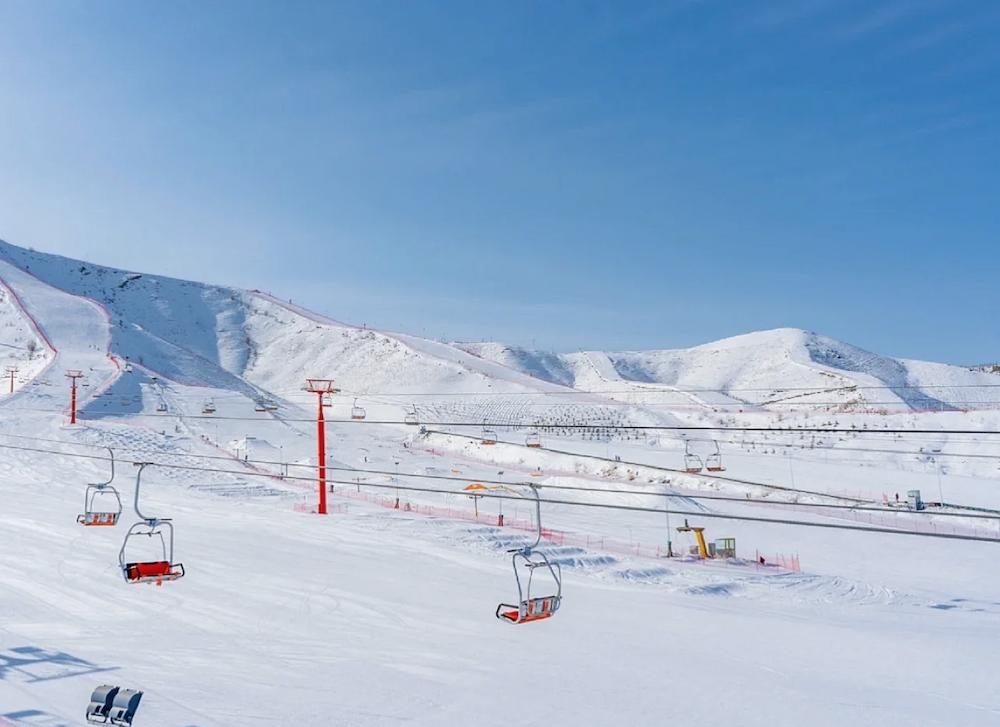
What a China Ski Package Usually Includes
At minimum, most packages cover accommodation and lift access for a set number of days. Mid-tier bundles add equipment rental and airport or Xinjiang ski resort transfers, while premium ones throw in guided days, lessons, and some meals. Reading the inclusions line by line matters, because two products with similar names can differ by hundreds of dollars in what they actually contain once you itemize them.
Some operators sell region-specific bundles centered on one resort, which keeps logistics simple. Others build a touring Xinjiang ski trip itinerary that moves you between mountains with a driver. Decide early whether you want to plant at one base or sample several, since that choice drives the whole package shape and your daily travel load.
Who Benefits Most from a Bundle
First-time visitors to China gain the most. A package removes the language and payment friction of booking lifts, hotels, and transport separately, and a good operator handles the foreign skier travel tips you might otherwise learn the hard way. Families with children also benefit, because kid logistics are handled rather than improvised each morning before the slopes open.
Independent travelers who speak some Mandarin and know their resorts may prefer to build their own trip for more control and often lower cost. Packages shine when convenience and certainty matter more than shaving the final bill, and that trade is reasonable for many first-time visitors to a vast country.
Resort-Based vs Touring Packages
Resort-based packages keep you at a single mountain, ideal if you want to master one area or travel with mixed abilities. Touring packages suit confident skiers who want variety across Xinjiang ski resorts and are happy with bus or driver days between them. Neither is universally better; it depends on your energy and appetite for travel versus your desire to repeat familiar terrain.
When comparing, check the daily ski hours, whether night skiing is included, and how many guided days you get. A cheap touring package with long drives and little slope time may feel worse than a settled resort stay with generous lift access and shorter transfers each morning.
Insurance and Fine Print
Any package should be paired with solid cover. Winter sports carry injury risk, and our Xinjiang ski travel insurance guide explains what a policy must include: evacuation, piste closure, and equipment loss. Confirm whether the operator’s baseline cover is enough or whether you should buy your own top-up before departure to avoid gaps.
Also read cancellation terms. Remote resorts can close lifts for weather, and some packages offer credit while others offer nothing. Knowing this upfront prevents sour arguments later if a storm rolls through during your booked week and you cannot use paid slope time.
How to Pick the Right Package
Match the package to your skill level, group, and budget. Beginners should prioritize lessons and rental in the bundle; experts should prioritize lift access and off-piste guidance. Cross-check the resort list against the Xinjiang skiing guide to confirm the terrain fits your goals, and ask for a sample daily schedule before paying anything.
Finally, compare the all-in price against building the same trip yourself. If the package is within a reasonable margin and saves you days of planning, it is usually worth it. If it is wildly more expensive for the same inclusions, walk away and build your own version instead.
Comparing Packages Side by Side
When two packages look similar, build a simple table: price, nights, lift days, rental, lessons, transfers, and meals. The moment you line them up, differences leap out, such as one including English lessons the other charges extra for. Cross-reference the resort list with the Xinjiang skiing guide so you know the terrain quality behind each name, not just the marketing photo that drew you in.
Also compare the daily structure. A package offering six hours of guided skiing beats one with the same price but only three, even if the second includes more meals. Slope time is the product you came for, so weight it heaviest when judging value between competing bundles and ignore flashy extras.
Red Flags to Watch For
Vague inclusion lists are the biggest warning sign. If a package will not state exactly what is covered, assume the gaps will cost you. Unusually low prices at peak season often mean distant lodging with long transfers, or excluded lift ranges. Confirm the Xinjiang ski resort transfers are private or shared clearly, because a vague shuttle can eat your mornings and shorten your ski days.
Another red flag is no clear cancellation or weather policy. Reputable operators explain what happens if lifts close or you cannot travel. If the answer is unclear or absent, consider it a cost risk and either negotiate clarity in writing or choose a different provider with transparent terms you can rely on.
Making the Most of Your Inclusions
Once booked, squeeze value from every inclusion. Arrive early on lesson days, use rental fitting time to ask about the best beginner slopes, and ride the included lifts even on softer days to learn the mountain. Pair the trip with solid Xinjiang ski travel insurance so a weather closure does not become a financial loss, and keep receipts for anything you might claim later.
Finally, tell your operator your skill level and goals before arrival. Packages are easier to enjoy when the instructor and terrain match your ability, and a five-minute conversation upfront prevents a week of mismatched lessons that you have already paid for but cannot fully use or enjoy.
Frequently Asked Questions
Are all-inclusive ski packages in China worth it?
For first-time and family visitors, yes, because they remove booking and language friction. Confident independent travelers may save by building their own trip, but packages buy peace of mind that many find worth the premium when visiting a new country.
Do packages include ski equipment rental?
Many do, especially mid and premium tiers, but not all. Always check the inclusions list, and confirm boot fitting and helmet availability if you or your children need them, since rental quality varies between resorts and operators.
Can foreign tourists book China ski packages in English?
Yes, through international ski tour operators and some resort partners. Local agencies increasingly offer English service too. Booking through a provider with clear English support reduces the chance of mismatch on inclusions and saves stress.
What is not included in most packages?
International flights, visas, personal insurance top-ups, and most meals beyond breakfast are commonly excluded. Some also exclude premium lessons or off-piste guiding, so read the fine print carefully before you commit any deposit.
How far ahead should I book?
For peak season around Chinese New Year, book months ahead. For quieter weeks, a few weeks’ notice can work, though popular resorts still sell out, so earlier is safer for the best lodging and instructor choice.