

Planning your first ski trip to China’s far northwest can feel daunting, but the good news is that Xinjiang beginner slopes are more approachable than many visitors expect. Across the region’s growing network of resorts, dedicated learner areas, gentle conveyor lifts, and patient instructors make it genuinely possible for a complete first-timer to stand, glide, and even link a few turns on day one. Whether you are travelling with family or tackling a new sport on your own, understanding how resorts lay out their beginner terrain will help you choose the right mountain and avoid the intimidation of steeper slopes on your first morning.
Why Xinjiang Is Friendlier for First-Timers Than You Think
Xinjiang’s ski industry has expanded rapidly over the past decade, and a large share of that investment has gone into beginner infrastructure. Unlike older alpine destinations where learner zones were squeezed into awkward corners, many Xinjiang resorts built wide, sunny, low-angle pods specifically for newcomers. These areas are separated from faster traffic, which removes a great deal of the anxiety that first-timers feel when more advanced skiers whistle past.
The snow quality helps too. The region’s cold, dry continental climate produces light, forgiving powder that is easier to control than heavy, wet snow. For someone learning to balance and stop, that soft surface means gentler falls and quicker confidence. Many resorts also maintain their beginner pistes with grooming machines overnight, leaving a smooth canvas each morning that is far kinder to uncertain edges than an icy or chopped-up surface would be.
Another quiet advantage is crowd management. Resorts have learned to route families and lessons through dedicated beginner lifts, so you are rarely trapped behind a wall of faster skiers at the bottom of a run. That small bit of order makes a huge difference to a nervous newcomer who just wants space to practise falling over and getting up again.
What a Magic Carpet Actually Does for Beginners
A “magic carpet” is simply a moving conveyor belt set flush into the snow. You step on at the bottom, stand still, and it carries you gently to the top of a short, shallow slope. For a first-timer, this is far less stressful than a chairlift, which requires balancing, standing up on skis, and sometimes a small drop-off at the top that can rattle a beginner’s nerves.
- No pole or lift-ticket fumbling while balancing on one ski.
- No fear of being dropped or colliding with the lift exit.
- A slow, predictable ride that lets you catch your breath between runs.
- Easy loading and unloading, even while wearing a heavy jacket and bulky gloves.
- A consistent top-of-slope view so you can plan your next tentative descent.
Because magic carpets serve only the beginner pod, the terrain they reach is short and very shallow. This lets you repeat the same tiny descent dozens of times in an hour, which is exactly how muscle memory builds. If you are curious about the wider region’s learner options, our guide to Xinjiang skiing for beginners maps out the step-by-step path from never-skied to confident gliding.
Beginner Zones at the Major Xinjiang Resorts
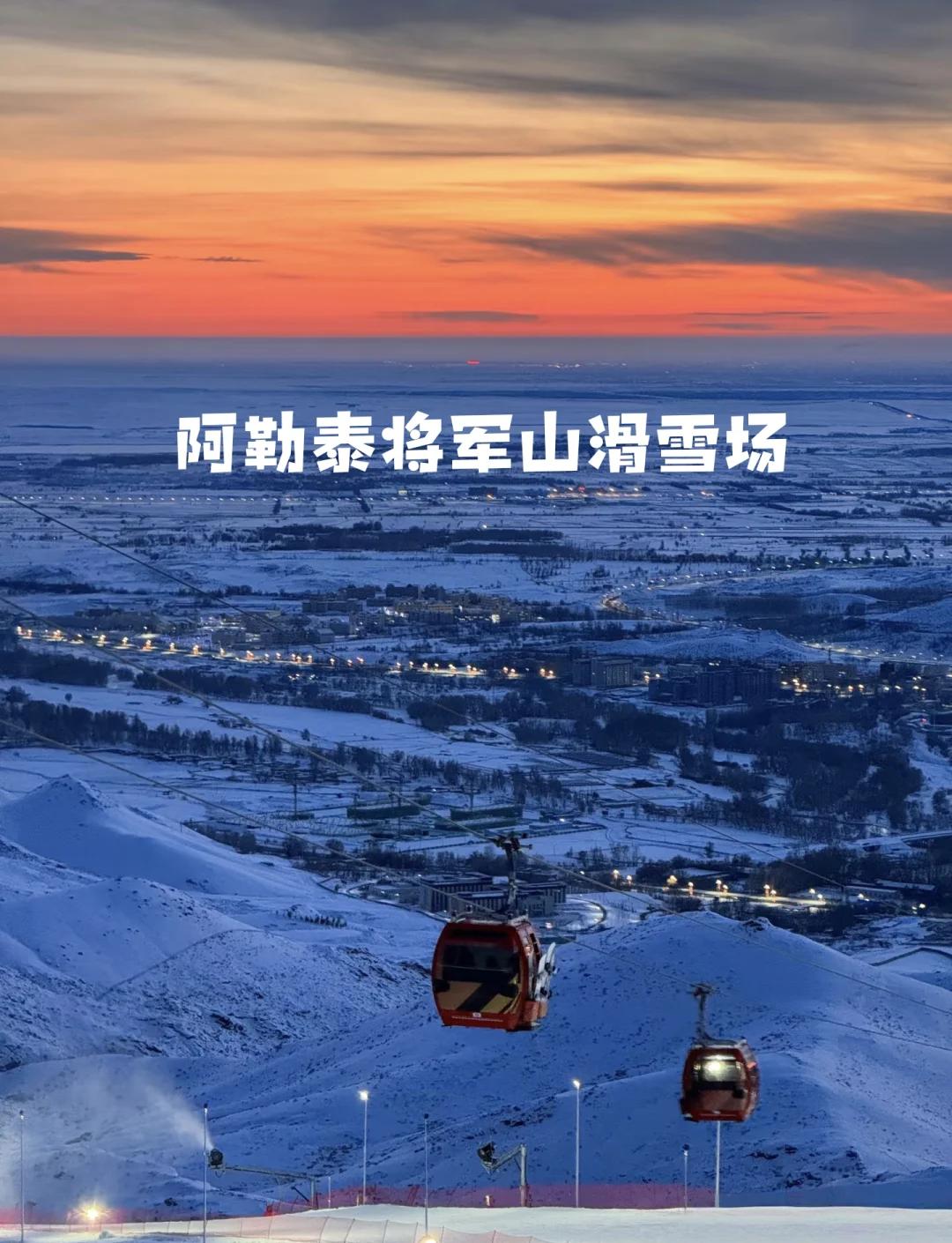
Most of the large resorts reserve their lowest, widest slopes for learners. At the big Urumqi-area mountains you will typically find a long, gently graded beginner boulevard serviced by carpets and a slow beginner chair. In the Altay region, resorts such as Jiangjunshan and Coca Tuohai also carve out sheltered practice areas that catch the morning sun and stay calm even on breezy days, which keeps new skiers warm and relaxed.
If you want a shortlist of the most suitable mountains, our page on the best beginner ski resorts in Xinjiang ranks resorts by slope angle, lift type, and English instruction availability. For a broader survey of the whole region, the Xinjiang ski resorts overview explains where each mountain sits and what kind of terrain it is known for, so you can match a resort to your confidence level before you book.
Choosing the Right Resort for Your Level
Not every resort suits a first-timer equally. A resort famous for steep freeride terrain may have only a small learner corner, while a family-oriented mountain might devote a third of its lift-served area to beginners. When comparing, look at three things: the number of magic carpets, the width of the green (easiest) runs, and whether the beginner zone sits away from faster slopes so you are never pressured to keep up with confident locals.
Altitude is another quiet factor. Xinjiang resorts sit high, and thin air can tire a newcomer faster than the skiing itself. Pacing your first day with frequent breaks is smart, and choosing a resort with a base-area beginner zone means you can retreat to warmth and tea without a long descent that feels beyond your skill on hour one. Listen to your body, because exhaustion is when beginners fall most.
Lessons, Rentals and Getting Comfortable
Even confident athletes benefit from a lesson on day one, because skiing technique is counter-intuitive at first. English-language instruction is available at several resorts, and booking ahead matters during Chinese holiday peaks when coaches fill up. Our resource on ski lessons in Xinjiang with English instruction lists which resorts staff foreigner-friendly coaches and explains how to reserve a slot that fits your arrival day.
Equipment is easy to source on-site. Modern rental shops at the main resorts offer correctly sized boots, beginner-friendly skis, and helmets. Reading our Xinjiang ski equipment rental guide will help you understand what is included, what to check before you leave the shop, and how to avoid the most common fit mistakes that cause sore feet and tired legs before lunch on your first day.
Tips to Make Your First Day Smooth
- Arrive early so you can be fitted for boots before the crowds arrive.
- Spend your first hour on the carpet, not the chairlift.
- Wear a helmet and wrist guards; falls are simply part of learning.
- Hydrate and rest often, since altitude amplifies fatigue quickly.
- Set a tiny goal, like riding the carpet ten times, rather than a big one.
Frequently Asked Questions
Are Xinjiang beginner slopes safe for complete first-timers?
Yes. Resorts separate learner pods from faster traffic, staff them with patrol, and use slow magic carpets. As long as you stay within the marked beginner area and follow your instructor, the risk is low and comparable to any managed ski school elsewhere in the world.
Do I need to bring my own equipment?
No. All major resorts rent boots, skis, poles, and helmets on-site. Bring warm layers, gloves, and goggles; the rental shop supplies the technical gear sized to your level and adjusted by a fitter before you head outside.
Will language be a problem for lessons?
At several resorts English-speaking instructors are available if booked in advance. During peak holiday weeks demand is high, so reserve your lesson at the same time you book accommodation to avoid disappointment.
How many days until I can use a chairlift?
Most first-timers manage a slow beginner chair by the second or third day, once they can control speed and stop reliably on green runs. There is no rush; the carpets build the foundation that makes the chair feel easy later.
Is the altitude difficult for beginners?
It can be. Take frequent breaks, drink water, and choose a base-area learner zone for your first day so you can step off the snow easily when tired. Short sessions spread across two days beat one exhausting marathon on the mountain.